- WhatsApp: 8613777772066
- Email: [email protected]


Think of cables as the veins of your workspace or machinery. When they’re tangled, everything slows down and risks go up. Whether you are setting up a sleek home office or wiring a massive industrial plant, proper cable management is your secret to safety and peace of mind. Let’s turn that “rat’s nest” into a masterpiece of organization.

We’ve all seen it: a chaotic heap of wires tucked behind a desk or shoved into an electrical cabinet. It looks messy, but the real dangers are hidden beneath the surface. Beyond just looking tidy, understanding why cable management is important can save your business from costly downtime and accidents.
Fire Prevention: Cables that are pinched or tangled can overheat. Proper spacing and airflow keep things cool and safe.
Zero Tripping Hazards: In a busy office or on a construction site, a loose wire is an accident waiting to happen.
Fast Troubleshooting: When a server goes down or a machine stops, you don’t want to spend an hour tracing one wire through a tangled mess.
Professionalism: A clean setup tells your clients and partners that your business pays attention to every small detail.
Creating beautiful cable management isn’t just for influencers. It’s a practical way to reclaim your legroom and clear your mind. Here is how you do it:
The Great Unplugging: Start fresh. Unplug everything. Untangle the knots and wipe away the dust that inevitably settles in the “wire jungle.”
Mount the Power Strip: Stop letting your power strip sit on the floor. Use under desk cable tidy solutions like trays or adhesive strips to mount the power source directly to the underside of the desk.
Group by Destination: Use heavy duty nylon cable ties to bundle wires going to the same place—like your dual monitors or speakers. Don’t pull them too tight; give them a little room to breathe.
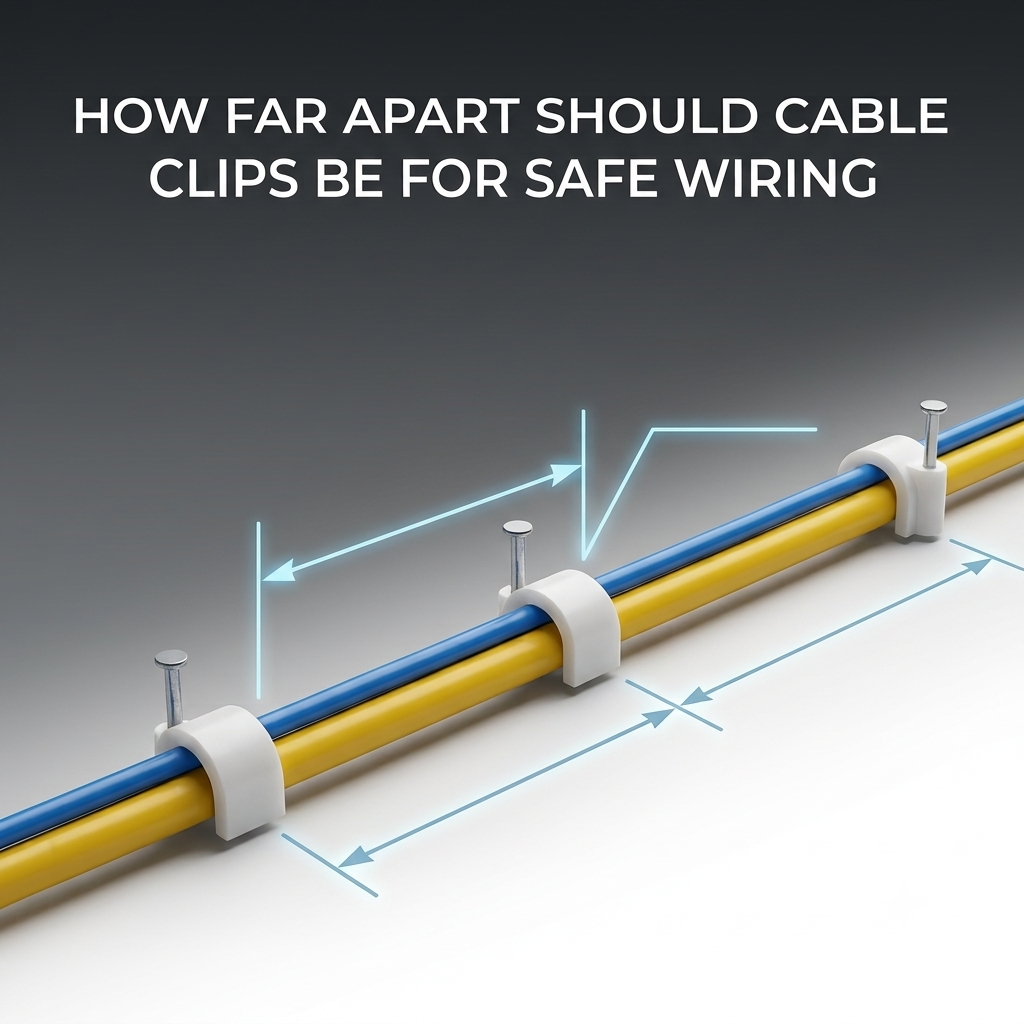
Route Along the Legs: Use adhesive cable clips to guide the remaining bundles down the back of the desk legs. This keeps the wires invisible from the front.
Label Everything: It takes two minutes now but saves two hours later. Use small tags to mark which plug belongs to the printer and which belongs to the laptop.
Modern offices are evolving, and so are the tools we use to keep them tidy.
Nylon Cable Ties: These are your go-to for bundling thick power cords and monitor cables into neat groups. They are incredibly strong and versatile, allowing you to secure wire bundles to desk legs or frames, ensuring nothing dangles near your feet.
Cable Clips: These small but mighty tools keep your phone chargers and mouse cables exactly where you want them. With an easy adhesive back, they snap onto the edge of your desk to prevent cords from sliding onto the floor.
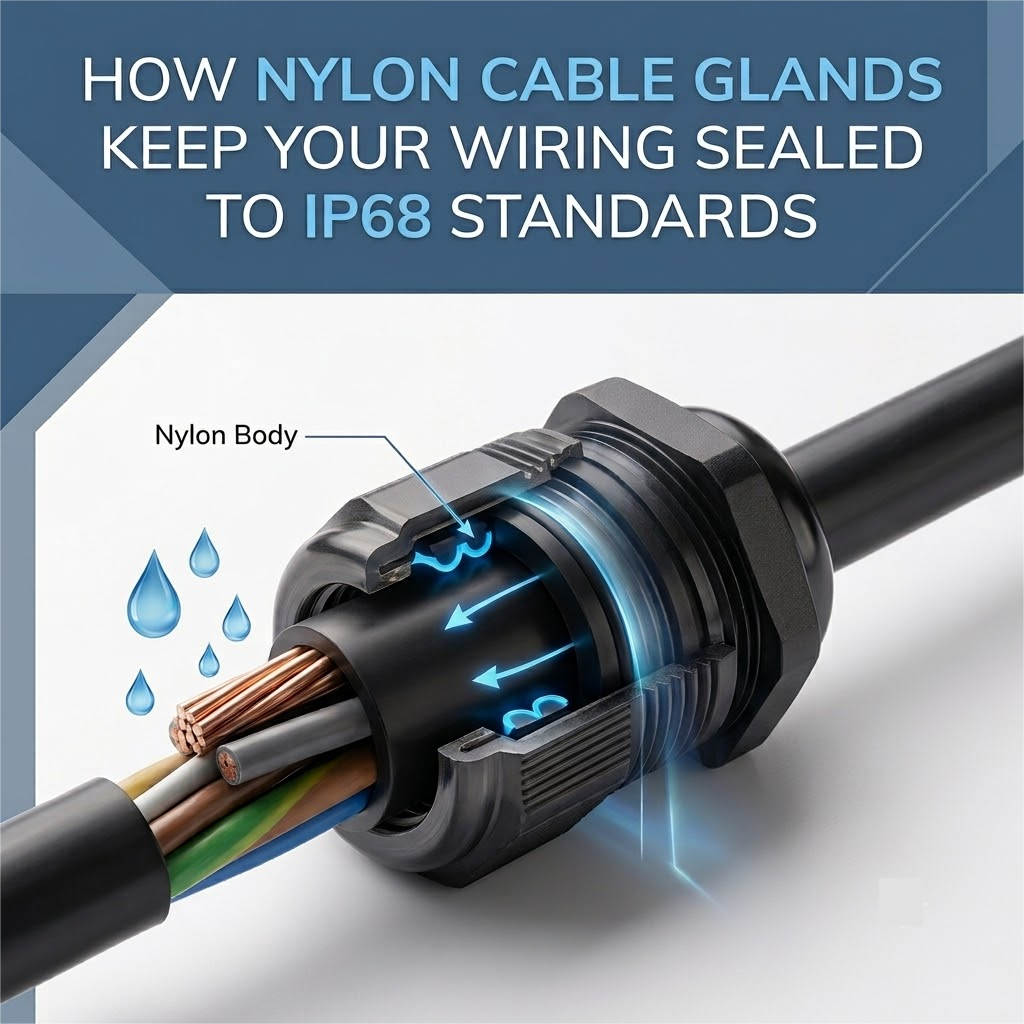
Cable Glands: For high-end custom desks or office partitions, these provide a professional, sealed entry point for wiring. They protect cables from sharp edges and hold them firmly in place, giving your workspace a sleek, “built-in” look while preventing dust buildup.
Cable Spines: If you have a standing desk that moves up and down, you need a flexible “spine.” It looks like a robotic backbone and protects your wires as the desk height changes.
In fields like energy, shipbuilding, and construction, “good enough” isn’t an option. You need industrial cable management solutions that can take a beating.
Automobiles: In the high-heat environment of a vehicle assembly, using specialized car cable ties with corrugated tubing ensures that complex electrical looms stay protected from engine vibration, oil exposure, and road debris while maintaining long-term flexibility and grip.
Electrical Industry: High-performance cable glands act as essential gatekeepers for control boxes. They seal the entry point perfectly, ensuring that moisture, dust, and debris stay away from sensitive internal components, which prevents costly short circuits in power systems.
Aerospace: Precision is everything in the skies. Specialized nylon cable ties and wiring accessories are used to secure miles of sensor wires against extreme G-forces and pressure changes, ensuring that every connection stays rock-solid during the most demanding flights.
Construction Industries: Managing heavy power lines on a job site requires rugged solutions. Using heavy duty nylon cable ties to secure cables to scaffolding or temporary structures prevents tripping hazards and protects expensive equipment from being dragged across rough concrete.
Stainless Steel Ties: When plastic isn’t enough—like near an exhaust system or in salt-spray marine environments—metal is the way to go. These are fireproof and corrosion-resistant, making them the ultimate choice for the harshest outdoor industrial settings.
Flexible Conduits: Think of these as armored tunnels for your wires. They provide a secondary layer of defense against physical impacts, crushing weight, and even pests that might chew through insulation in warehouses or underground energy facilities.
Identify and Tag: In a factory with miles of wire, color-coded ties and wiring accessories are a lifesaver. They allow maintenance crews to quickly identify specific circuits, which slashes repair time and prevents dangerous mistakes during electrical system upgrades.
The inside of a car engine is a brutal place. It’s hot, oily, and constantly vibrating. Standard ties simply won’t survive here.
Fight the Heat: For automotive wire management, you must use car cable ties made from specialized materials like heat-stabilized Nylon 66. This material won’t become brittle or melt when the engine gets hot.
The Vibration Factor: Constant shaking can cause wires to rub against metal edges. A good automotive wire organizer keeps bundles tight and away from sharp chassis parts.
Fir Tree & Edge Mounts: These are clever little fasteners that “pop” into existing holes in the car frame. They hold the wires firmly in place without needing extra screws.
Fluid Resistance: Automotive wiring is often exposed to fuel and oil. Professional setups require ties that won’t degrade when things get messy.
Selecting the right gear is half the battle. Don’t just grab the cheapest bag of ties you find; quality ensures your project stands the test of time.
Check the Tensile Strength: Look for the “pound rating” on the packaging. If you are hanging heavy industrial power lines, you need heavy duty nylon cable ties that can support significant weight without snapping or stretching under constant physical tension.
Consider the Environment: Always match the material to your surroundings. Outdoor projects require UV-resistant ties to prevent sun damage, while engine bays demand heat-stabilized car cable ties that won’t become brittle or melt when temperatures start to climb during operation.
Length and Width: Precision matters when bundling. Always buy a slightly longer tie than you think you need; you can easily trim the excess “tail,” but you can’t extend a tie that is too short to click into place.
Use the Right Wiring Tools: Stop using your teeth or dull kitchen scissors! A professional cable tie gun or tensioning tool cuts the tie perfectly flush, which prevents sharp, jagged edges from cutting your hands during future maintenance work.
Quick Reference: Cable Management Solutions by Application
| Environment | Key Challenge | Recommended Product | Top Feature |
| Modern Office | Clutter & Movement | Nylon Cable Ties | Versatile & Flexible |
| Home Desk | Aesthetic & Small Wires | Cable Clips | Easy Adhesive Back |
| Automotive | High Heat & Vibration | Car Cable Ties | Heat-Stabilized PA66 |
| Construction | Heavy Loads & Rough Use | Heavy Duty Ties | High Tensile Strength |
| Industrial / Marine | Corrosion & Waterproofing | Cable Glands | IP68 Weather Sealing |
| Aerospace | Extreme G-Force | Wiring Accessories | Secure & Vibration-Proof |
Can I reuse nylon cable ties after I cut them?
Most are one-time use, but “releasable” ties have a small lever that lets you open and reuse them.
What is the best way to hide cables on a white wall?
Use paintable cord covers or white cable clips that blend into your baseboards for a clean, invisible look.
Why do my zip ties snap in the winter?
Standard nylon loses moisture and gets brittle in cold, dry air. Use weather-resistant versions for outdoor winter projects.
How tight should I pull a cable tie?
Pull it snug enough to hold the wire steady, but not so tight that it pinches the insulation.
Mastering your wires is more than tidiness—it’s a strategic move for your business efficiency. From optimizing under-desk setups to securing heavy-duty industrial systems, BOESE provides the reliability your projects demand. Ready to upgrade your supply chain? Contact us today for premium wholesale solutions, OEM/ODM services, or custom technical support. Let’s build a safer, more organized future together!


Modern enterprise integrating R&D, production, sales and service
Privacy Policy | Sitemap
Copyright BOESE Co.,Ltd SUPPORT BY :JUNJ
 Optimized by Seraphinite Accelerator