- WhatsApp: 8613777772066
- Email: [email protected]


Think of a cable gland as the high-tech guardian of your electrical system. It’s the essential link that secures a cable to an enclosure, keeping dust and water out while holding everything in place. Whether you’re a wholesaler or a project manager, choosing the right cable gland types is the secret to a system that lasts for decades.

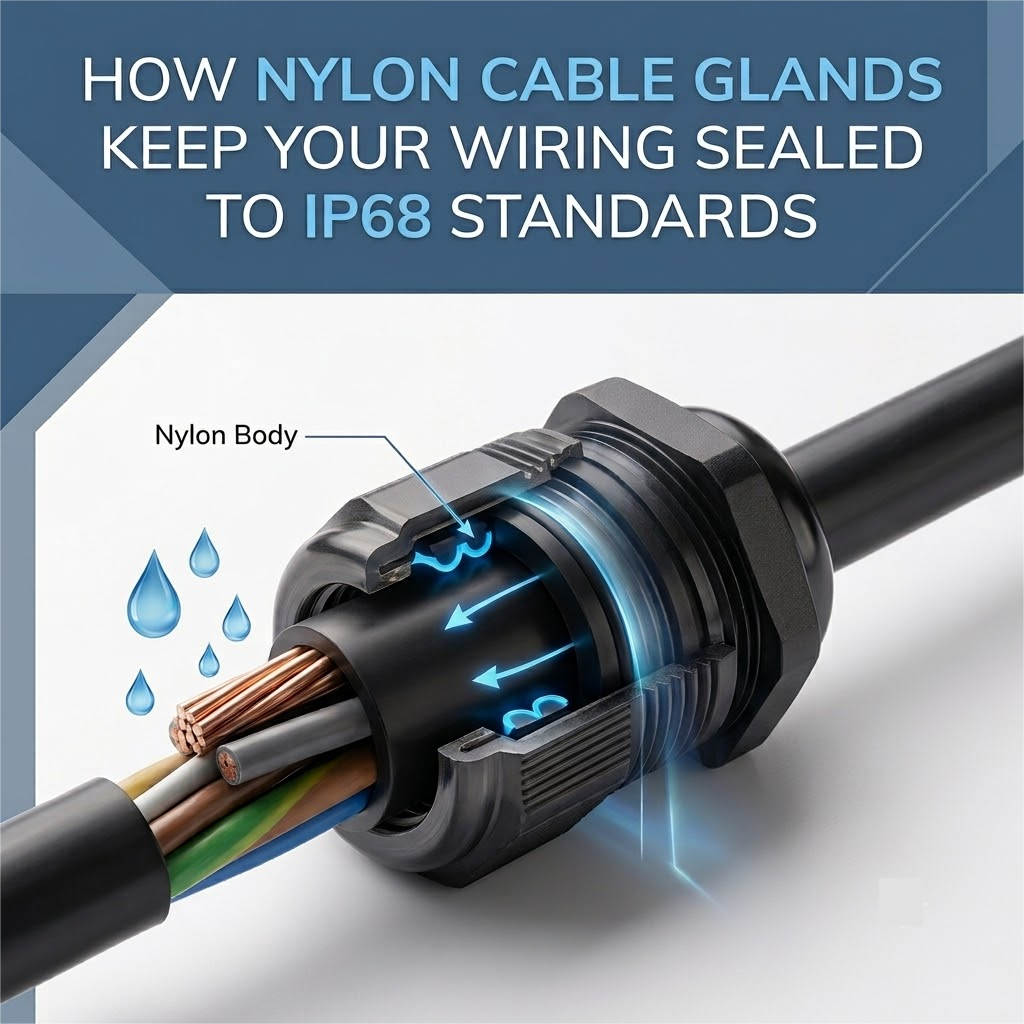
At its simplest, what is a cable gland? Think of it as a professional “security guard” for your wiring. It’s a mechanical entry device used to attach and secure the end of an electrical cable to your equipment.
Here is how it works:
The Secure Grip: Imagine a sturdy circular “plug” that fits perfectly around your wire.
The Tight Seal: When you twist the nut to tighten it, a high-quality rubber seal inside compresses and grips the cable tight.
The Protective Barrier: This creates a secure, waterproof connection exactly where the wire enters a box, panel, or machine.
The Quality Difference: In the professional wiring world, using the right gland is the difference between a reliable, long-lasting setup and a dangerous, messy failure.
In heavy-duty settings, a loose wire is more than a nuisance—it’s a hazard. Industrial cable glands provide three “superpowers” to your business projects:
Environmental Sealing: They act as a high-performance barrier that keeps rain, salt spray, and corrosive dust from sneaking into your expensive control panels, effectively preventing short circuits and internal rust in harsh outdoor or marine environments.
Strain Relief: If a worker or machine accidentally pulls on a wire, a strain relief cable gland absorbs the physical force. This ensures that delicate internal connections stay intact and prevents wires from being yanked out of their terminals.
Safety & Grounding: For high-power setups, specialized electrical cable gland designs provide essential earth continuity. By grounding the system through the metal casing, they help prevent dangerous electrical shocks or fires if a technical fault occurs within the circuit.
Not all wires are created equal, and neither are the glands that hold them. Here are the most common players in the industry:
Nylon Cable Glands: The “everyday hero.” These are made of high-grade plastic, usually Nylon 66. They are lightweight, rust-proof, and very affordable.
Metal Cable Glands: Usually made of nickel-plated brass or stainless steel. These are for the “tough” jobs where your equipment might take a physical beating or face extreme chemicals.
Spiral Strain Relief Glands: You’ll recognize these by the long, spring-like tail. They prevent cables from bending too sharply at the entry point, which is a lifesaver for handheld devices.
Armoured Cable Glands: Designed specifically for cables with a metal “armor” layer. These glands grip that armor to provide extra strength and electrical continuity.
Multi-Hole Glands: Sometimes your business needs to run three or four small wires through one single hole. These glands have a custom seal with multiple openings to keep things tidy.
Where do you actually see these types of cable glands in the wild? From heavy machinery to high-tech servers, they are the backbone of secure wiring:
Solar & Wind Energy: This is the kingdom of outdoor cable glands. Because these systems sit in the sun all day, UV-resistant plastic cable gland options are the industry standard to prevent the material from cracking under harsh exposure.
Marine & Shipbuilding: In these environments, saltwater eats through everything. Weatherproof and threaded metal cable glands, specifically made from stainless steel or nickel-plated brass, are used to fight off corrosion and keep internal systems bone-dry.
Manufacturing Plants: In factories where machines vibrate 24/7, high-performance industrial cable glands are essential. They ensure that power remains rock-solid and the connection never flickers, even when mounted on heavy, moving equipment.
Data Centers & Telecommunications: For delicate server racks and high-speed fiber, nylon cable glands are the go-to choice. They provide a clean, non-conductive, and lightweight way to manage thousands of instrumentation and data lines without risking electrical interference.
General Infrastructure: Whether it’s straight-through wiring or threaded entry points, different electrical cable gland designs are used across power grids to ensure every connection is weatherproof and physically supported for the long haul.
Your environment dictates your choice. Don’t overspend on metal if nylon will do, but don’t risk plastic where it might melt!
The “Splashing” Zone: If your equipment gets hosed down (like in food processing), look for an IP68 rating. This means the gland is completely waterproof under pressure.
The “Shaking” Zone: In the automotive or heavy machinery world, constant movement can loosen a standard nut. You need glands with a “vibration lock” mechanism.
The “Sun” Zone: If your vendor sells you standard plastic for a rooftop project, run away. Without UV stabilization, the sun will turn that gland into brittle dust within a year.
The “Chemical” Zone: In oil and gas, you need materials that won’t degrade when they touch fuel or cleaning solvents. Stainless steel is usually the king here.
This is the most common question for any cable gland China supplier. Let’s break it down:
| Feature | Nylon Cable Glands | Metal Cable Glands |
| Cost | Very Budget-Friendly | Higher Investment |
| Weight | Ultralight | Heavy Duty |
| Corrosion | 100% Rust-Proof | Corrosion-Resistant (Plated) |
| Durability | High (Good for most) | Extreme (Impact resistant) |
| Installation | Hand-tightened usually | Requires tools/wrenches |
The Verdict: If you are building consumer electronics or standard outdoor lighting, nylon cable glands are usually the smartest choice. If you are wiring a bridge, a ship, or a high-heat engine, go with metal cable glands.
Working under the open sky? Follow these rules to ensure your business projects survive the elements:
Check for PA66: Ensure your plastic cable gland is made of high-grade Nylon 66. This material handles extreme temperature swings and high heat much better than cheaper plastics, preventing the body from warping or melting over time.
IP68 is a Must: Don’t settle for IP65. Outdoor rain can be wind-driven and incredibly powerful; you need the highest seal possible to ensure your outdoor cable glands stay bone-dry even when fully submerged or facing heavy storms.
Color Matters: Black outdoor cable glands usually offer superior UV resistance compared to white or gray versions. The carbon black additives act as a natural shield, protecting the structural integrity of the gland from long-term sun damage.
Seal Quality: Look for high-quality EPDM or NBR rubber seals inside the electrical cable gland. If the rubber is cheap, it will become brittle and crack in the cold, causing your waterproof seal to fail when you need it most.
Thread Length: If you are installing into a thick wooden wall or a double-walled junction box, make sure you buy “long thread” versions. Standard threads may be too short to lock securely, risking a loose and unsafe connection.
Can I use one cable gland for two wires?
Generally no, unless you use a special “multi-hole” insert to ensure a waterproof seal for both.
What is the most common cable gland size?
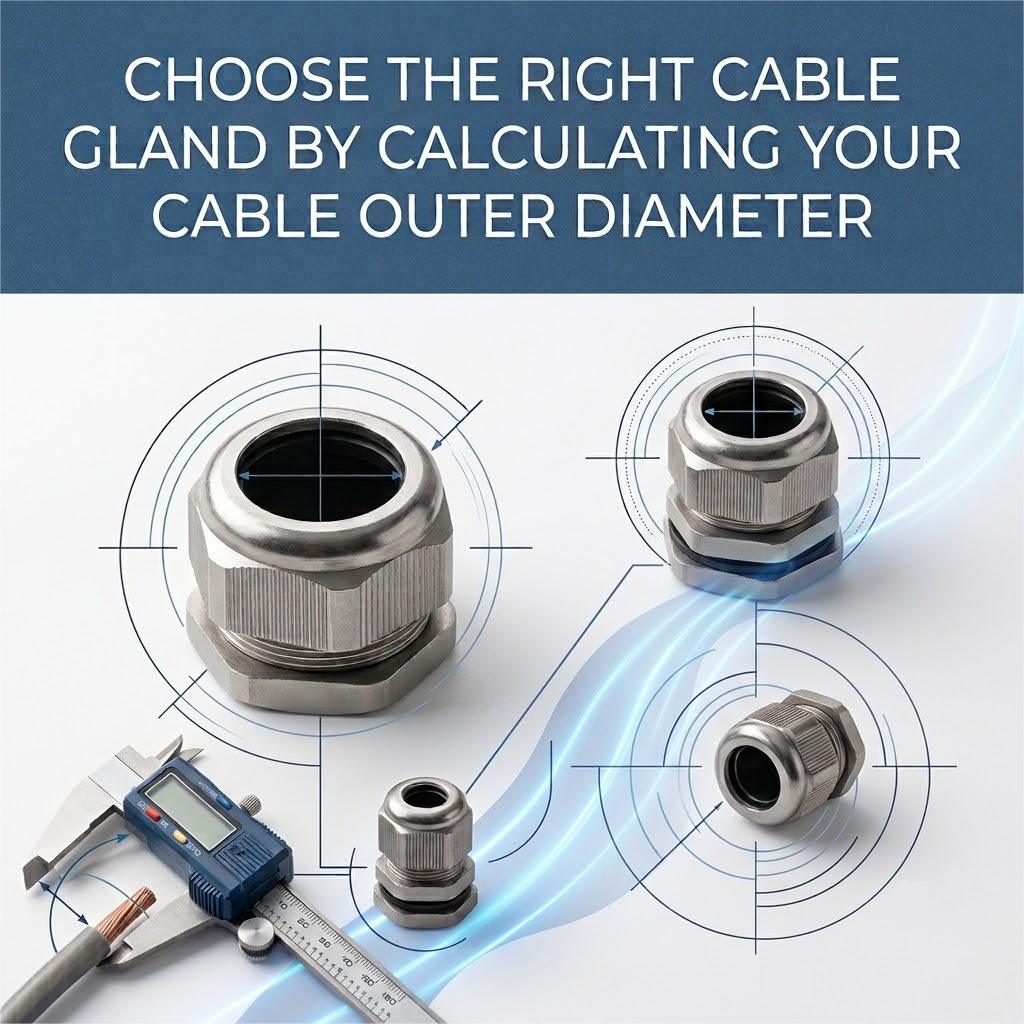
M20 and M25 are the “bread and butter” sizes for most standard electrical projects and junction boxes.
Do nylon cable glands get brittle in the sun?
Standard ones might, but high-quality UV-stabilized versions are designed to last years outdoors without cracking.
What is the difference between PG vs Metric cable glands?
Metric is the modern global standard, while PG is an older European standard. Understanding different cable gland thread types ensures you select a compatible fit for your specific equipment.
Choosing between different cable gland types doesn’t have to be a headache. Once you understand your environment and cable size, the right choice becomes clear. Whether you need the tough resilience of metal or the versatile value of nylon, BOESE has your back. Contact us today for a full cable gland size chart and wholesale pricing!

Modern enterprise integrating R&D, production, sales and service
Privacy Policy | Sitemap
Copyright BOESE Co.,Ltd SUPPORT BY :JUNJ
 Optimized by Seraphinite Accelerator