- WhatsApp: 8613777772066
- Email: [email protected]


Keeping vehicle wiring organized and protected is crucial for both safety and efficiency. Car wiring can easily suffer abrasion, cuts, or disconnection if not properly secured. Using reliable Car Cable Ties is a simple and effective method to prevent wire damage, improve automotive cable management, and ensure long-lasting performance in all types of vehicles.
Car cable ties are specialized fasteners used to bundle, secure, and manage electrical wires in vehicles. They come in various sizes, materials, and strengths to suit different automotive wiring needs.
By keeping wires tightly grouped, cable ties prevent them from rubbing against sharp edges, moving parts, or hot surfaces. This reduces the risk of abrasion, short circuits, and accidental disconnections.
Vehicle wiring faces constant vibration, friction, and exposure to heat. Improperly routed wires can quickly wear down, leading to costly repairs or electrical failures. Using Car Cable Ties mitigates these risks efficiently.
Not all cable ties are created equal. Mechanics should select ties with adequate tensile strength, weather resistance, and compatibility with the vehicle’s wiring environment to ensure safety and durability.
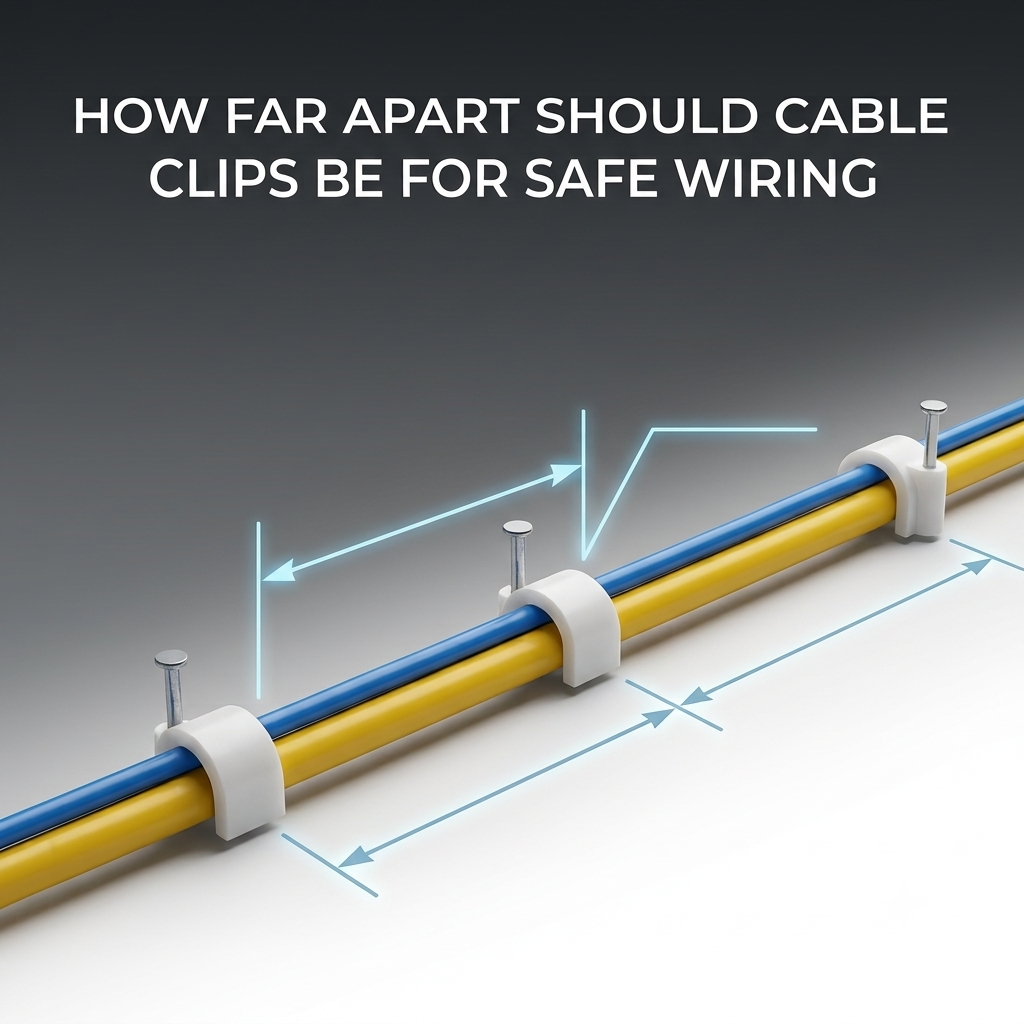
Wrap ties snugly but avoid over-tightening, which can cut into insulation. Space cable ties appropriately to support the wires without stressing them, and use protective sleeves when needed.
Plan the wiring layout before securing wires. Route cables away from sharp edges and hot components, and use Car Cable Ties to maintain consistent spacing and prevent tangling.
High-quality cable ties are strong, flexible, and resistant to UV, chemicals, and heat. Choosing durable ties ensures long-term protection against wire damage and reduces maintenance.
Consider temperature exposure, vibration, and moisture when selecting cable ties. For automotive projects, nylon or reinforced ties are often ideal, providing reliable wire support in diverse conditions.
Combine proper tie placement, correct tightness, and periodic inspections to maximize wire longevity. Investing in premium Car Cable Ties can prevent frequent replacements and safeguard electrical systems.
Place cable ties where wires are most vulnerable to movement or friction. Tighten them just enough to hold wires securely without compressing insulation, which can cause damage over time.
Use cable tie tensioning tools for consistent tightness and clean cuts. Avoid using pliers or scissors, which may over-tighten or leave sharp edges.
Do not bundle too many wires into a single tie, avoid tight bends, and keep cable ties away from heat sources. Correct installation prevents unnecessary wear and tear.
Regularly inspect ties for cracks, brittleness, or loosening. Damaged ties should be replaced promptly to maintain wire safety.
Old or compromised ties can fail unexpectedly. Replace them with durable, high-quality options to ensure ongoing protection.
Combine proper installation, high-quality ties, and routine checks to maintain effective automotive cable management. Reliable Car Cable Ties are key to safe and organized wiring over time.
Preventing wire damage with car cable ties is a simple, cost-effective way to enhance vehicle safety and reliability. By choosing the right ties, installing them properly, and performing routine maintenance, mechanics can ensure long-term wire protection. Investing in premium solutions like Boese supports professional cable management and reduces the risk of electrical issues in any automotive project.
How do car cable ties protect vehicle wires?
They bundle and secure wires to prevent rubbing, abrasion, and disconnections, reducing the risk of electrical failure.
Which car cable ties are best for wire safety?
Durable nylon or reinforced ties designed for automotive conditions, with UV and heat resistance.
Can using cable ties incorrectly damage wires?
Yes, over-tightening or improper placement can cut insulation or stress the wires.
How often should vehicle cable ties be inspected or replaced?
Check regularly during maintenance and replace any that are brittle, cracked, or loose.

Modern enterprise integrating R&D, production, sales and service
Privacy Policy | Sitemap
Copyright BOESE Co.,Ltd SUPPORT BY :JUNJ
 Optimized by Seraphinite Accelerator