- WhatsApp: 8613777772066
- Email: [email protected]


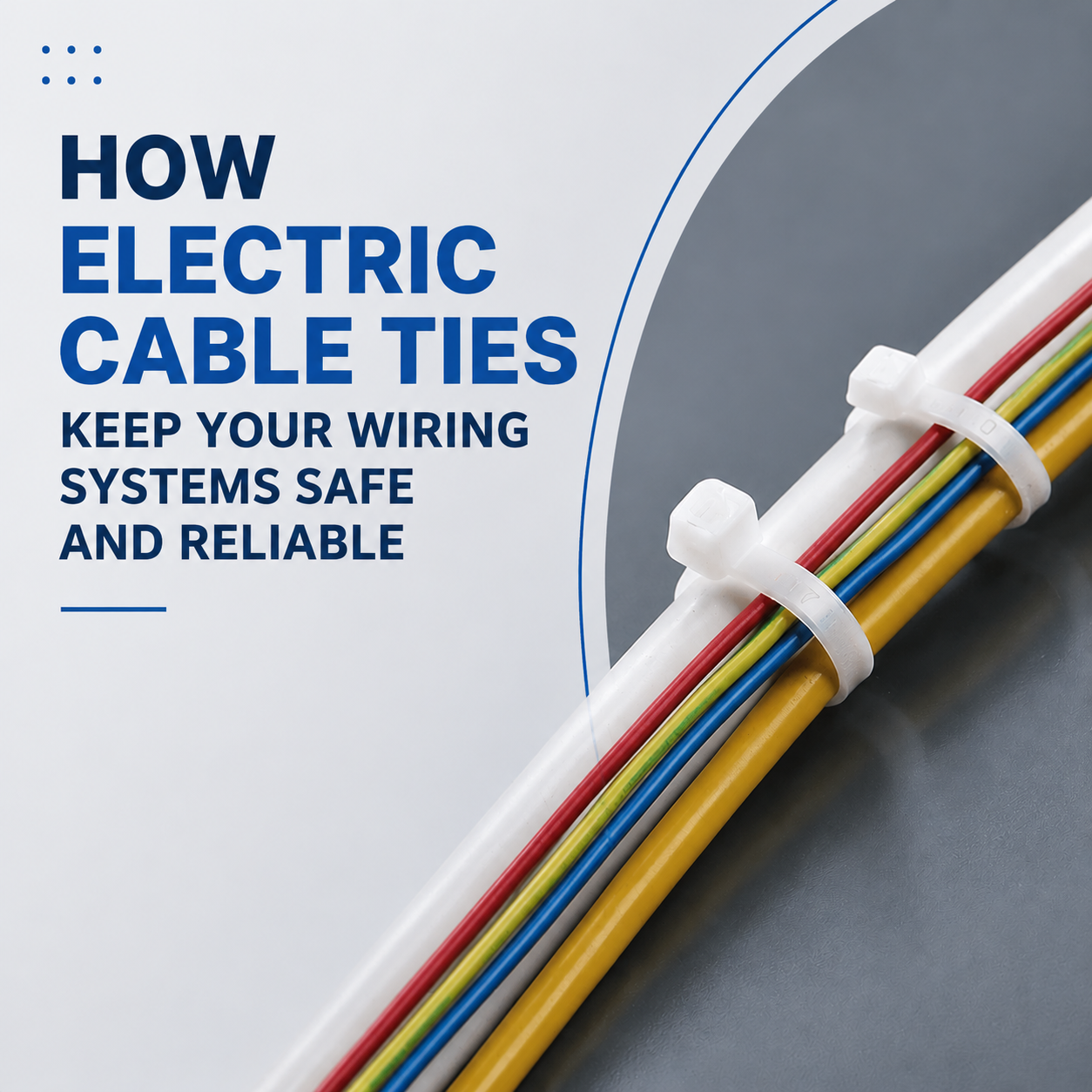
When you’re managing electrical installations, panel builds, or ongoing maintenance, you already know that loose or unsecured wiring is more than an eyesore — it’s a safety hazard and a compliance risk. Electric cable ties are one of the simplest tools you can add to your toolkit, yet they play an outsized role in keeping your wiring systems organized, protected, and up to code. Whether you’re outfitting a control panel, securing conduit runs, or managing cable bundles on a production line, understanding cable ties uses and cable ties function in electrical settings helps you make smarter purchasing decisions for your business.
In this article, you’ll learn how electric cable ties work, where you should use them, how to choose the right type and size for your application, and what to look for when sourcing commercial electric cable ties for your operation.
Electric cable ties are self-locking fasteners designed to bundle, secure, and route wires and cables in electrical and electronic systems. Most are made from nylon 6/6, though metal cable ties are also common in high-heat or outdoor environments. The core cable ties function is straightforward: a toothed strap threads through a locking head, and a ratcheting mechanism holds the bundle tight without slipping.
For your business, this simple mechanism translates into real operational value. Properly secured wiring reduces the risk of abrasion, accidental disconnection, and short circuits caused by loose cables rubbing against metal edges or moving machinery. It also makes troubleshooting faster, since organized bundles are easier to trace than tangled wiring.
You’ll find electric cable ties in nearly every environment where wiring needs to be managed safely. Common applications include:
In these settings, electrical wire straps and electrical cord ties serve slightly different purposes. Wire straps are typically used for structural, semi-permanent bundling — think fixed conduit runs or panel wiring that won’t be adjusted often. Electrical cord ties, on the other hand, are frequently used for more temporary or accessible bundling, such as extension cords, portable equipment, or cables that need periodic rerouting. Choosing the right one for your application affects both installation speed and long-term durability.
Not every cable tie is built for the same job. The table below breaks down the most common types you’ll encounter when sourcing electric cable ties for commercial or industrial use.
| Cable Tie Type | Typical Material | Temperature Range | Best For |
|---|---|---|---|
| Standard Nylon | Nylon 6/6 | -40°F to 185°F | General indoor wiring and panel builds |
| Heat-Stabilized Nylon | UV/heat-resistant nylon | -40°F to 250°F | Outdoor installs, high-heat enclosures |
| Stainless Steel | 304/316 stainless | -100°F to 1000°F+ | Extreme heat, chemical exposure, utility use |
| Releasable Nylon | Nylon 6/6 | -40°F to 185°F | Cables needing frequent access or rerouting |
If you’re weighing metal cable tie vs plastic cable tie options for a specific project, factor in not just temperature but also chemical exposure, tensile strength requirements, and whether the ties will be visible in a finished installation.
Choosing the wrong cable tie for your application doesn’t just create a maintenance headache — it can lead to compliance failures during electrical inspections or, worse, wiring damage that causes downtime. When you’re specifying industrial cable ties for a project, consider these factors:
Getting sizing right the first time saves your team rework and material costs. Our cable tie sizes guide walks through how to measure bundle diameter and match it to the correct tie length and width. And if your application involves heat exposure — whether from equipment, sunlight, or enclosed panels — it’s worth reviewing how cable tie temperature ratings are tested and rated before you finalize your order.

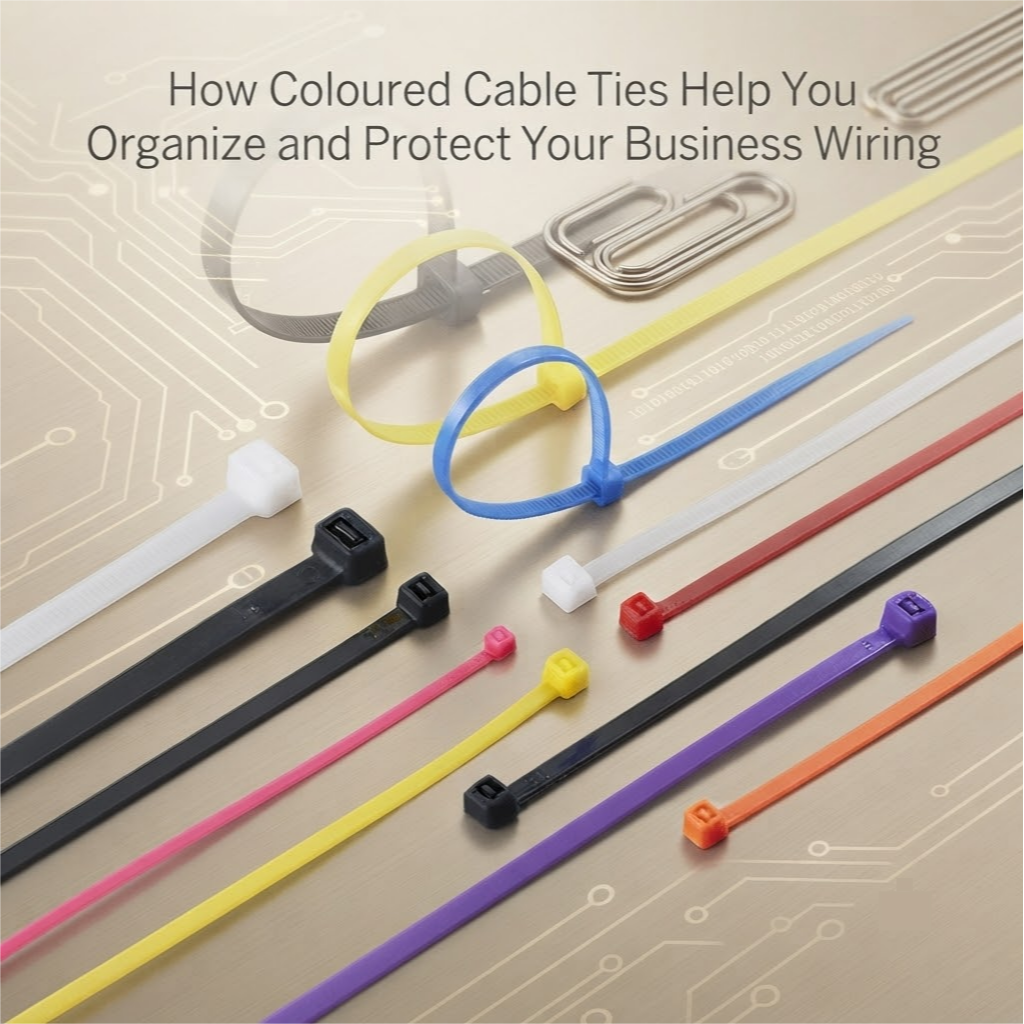
For most commercial wiring projects, nylon cable ties offer the best balance of strength, flexibility, and cost. They’re lightweight, non-conductive, and available in a wide range of sizes and colors for cable identification — a practical advantage if your team manages complex panels or data racks where color-coding speeds up troubleshooting.
Once you know what type and size you need, the next decision is who you buy from. For B2B buyers, sourcing decisions usually come down to three things: consistent quality across production batches, certification documentation you can hand to inspectors or clients, and a supplier who can scale with your order volume. If you’re comparing vendors, our breakdown of the top nylon cable tie manufacturers is a useful starting point for benchmarking what to expect from a reliable partner.
At BOESE, we manufacture UL-rated nylon and specialty cable ties specifically for electrical, industrial, and commercial applications. Whether you need a custom size run, private-label packaging, or bulk pricing for an ongoing project, our team can work with your specifications directly.
The primary cable ties function in electrical work is to bundle and secure wiring so it stays organized, doesn’t rub against sharp surfaces, and remains easy to trace and maintain. This reduces the risk of short circuits, abrasion damage, and accidental disconnections.
Yes, standard nylon electric cable ties are non-conductive and safe for bundling live wiring, as long as they’re rated for the application and installed without excessive tension that could damage insulation.
Electrical wire straps are often used for more permanent, structural bundling of conduit and panel wiring, while general-purpose cable ties are used more broadly across temporary and permanent applications. In practice, many electricians use the terms interchangeably for nylon zip-tie style fasteners.
Measure your bundle’s diameter and add roughly 25% for the locking overlap.
Many commercial and industrial electrical codes require UL 94V-2 flame-rated cable ties, especially inside panels and enclosures. Always confirm the rating requirements for your specific project or local code before ordering.
Standard one-piece cable ties are designed for single use and shouldn’t be reused once the ratchet mechanism engages. If your application requires frequent access, releasable cable ties are the better choice.
For outdoor use, choose UV-stabilized nylon or stainless steel cable ties. Standard indoor-rated nylon can become brittle and fail prematurely when exposed to sunlight and temperature swings.
Tensile strength varies by size and material, typically ranging from 18 lbs for miniature ties up to 250 lbs or more for heavy-duty and stainless steel options. Match the rating to your bundle’s actual weight plus a safety margin.
Metal cable ties handle higher temperatures and greater tensile loads, making them suitable for harsh industrial or outdoor environments, while plastic (nylon) ties are lighter, non-conductive, and more cost-effective for general electrical applications.
Most manufacturers, including BOESE, offer bulk and custom-size ordering for B2B buyers. Reach out with your bundle size, quantity, and application details, and a supplier can recommend the right product and pricing tier for your order.
Securing your wiring systems with the right electric cable ties protects your equipment, keeps your installations code-compliant, and saves your team time on future maintenance. If you’re ready to source reliable, UL-rated cable ties for your next project, BOESE’s team is here to help you find the right fit for your business.

Modern enterprise integrating R&D, production, sales and service
Privacy Policy | Sitemap
Copyright BOESE Co.,Ltd SUPPORT BY :JUNJ
 Optimized by Seraphinite Accelerator