- WhatsApp: 8613777772066
- Email: [email protected]


You often deal with tangled wires and messy setups at home, in your office, or in workshops. This disorganization can lead to lost time, accidental cable damage, and even safety hazards. Using cable clips is a simple yet effective solution to maintain a clean and efficient workspace. They help you secure wires, reduce risks, and make troubleshooting and maintenance much easier. Proper cable management is not just about aesthetics—it can improve the safety and longevity of your electrical systems.
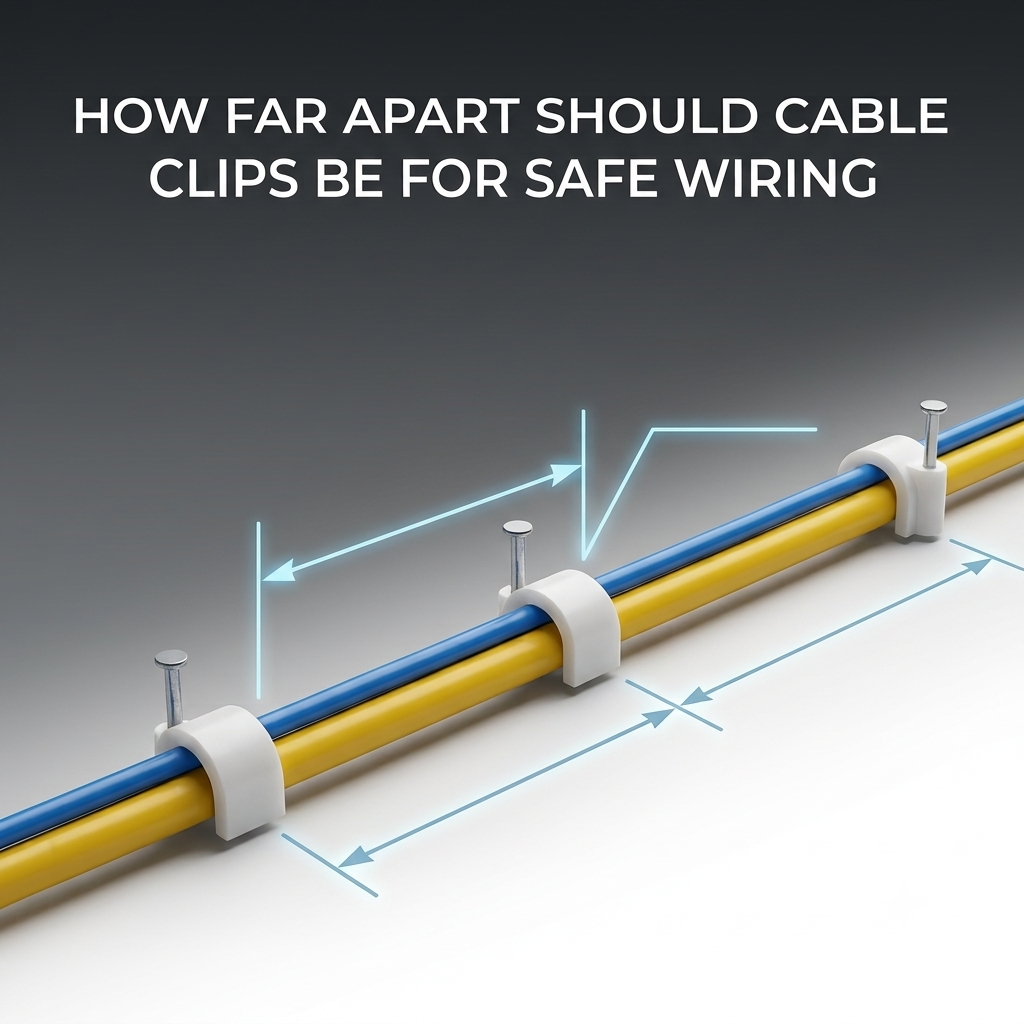
Cable clips are small devices designed to hold and route cables neatly. They come in various materials, such as durable plastics or metals, and with different mounting options including adhesive, screw, or snap-fit designs. You can use them for both home and industrial setups, creating neat cable pathways and preventing tangling. For versatile and high-quality options, explore Cable Clips that suit your specific needs.
By grouping cables together and securing them along walls, desks, or equipment racks, cable clips make your setup orderly and visually appealing. They allow you to identify which wire goes to which device instantly, saving time during maintenance. This organized approach also reduces stress on cables, preventing unnecessary bending or pulling that can shorten cable life.
Without proper support, wires often twist and knot, creating a tangled mess. This can lead to difficulties in tracing cables when adding new devices or troubleshooting issues. Using Cable Clips keeps each cable in place and prevents overlapping, making management effortless.
Loose cables are vulnerable to abrasion, sharp edges, or accidental pulling. Clips secure cables to surfaces, reducing movement and friction that can damage insulation and connectors. By keeping cables stationary, you also reduce the risk of electrical faults and costly replacements.
Unsecured cables can pose tripping risks or cause accidental unplugging, which may disrupt equipment or create safety hazards. Implementing a structured system with Cable Clips ensures cables stay in place, keeping both people and devices safe.
Messy cables make identifying and replacing faulty wires challenging. Cable clips create a clearly organized path for each wire, simplifying troubleshooting and maintenance tasks. This is especially valuable in complex setups like home entertainment systems, computer labs, or industrial wiring.
Cable clips reduce movement and friction, preventing wear and tear on cable jackets. This extends the life of your wiring and helps you avoid frequent replacements, saving both time and money.
By keeping cables off the floor and neatly bundled, you minimize tripping hazards and reduce accidental cable disconnections. Organized wiring also lowers the risk of short circuits caused by damaged cables.
Structured cable routing improves workflow efficiency by making it easy to trace and access individual cables. This reduces downtime during maintenance, upgrades, or rearrangements of your workspace.
Cable clips are available in various sizes and styles, allowing you to manage everything from thin USB cables to thicker power cords. They can be used in homes, offices, workshops, and even industrial environments.
Select clips made from strong plastic or metal to ensure longevity and resistance to environmental stress, especially in high-traffic areas or industrial settings.
Ensure clips match the cable bundle size. Overcrowding cables in a small clip can damage insulation, while oversized clips may not hold cables securely.
Adhesive-backed clips are convenient for temporary setups, whereas screw-mounted or snap-fit clips offer durable and permanent solutions for heavier or high-voltage cables.
Periodically inspect clips for looseness, cracks, or wear. Replace any damaged clips to maintain secure cable routing.
As new cables are added or devices moved, adjust clips to maintain an organized system. Regular updates prevent tangling and maintain efficient workflows.
Using cable clips effectively solves everyday cable management problems, enhancing organization, safety, and efficiency. For high-quality options that provide reliable performance and long-lasting durability, trust boese to support all your cable management needs. Proper implementation ensures your cables stay protected and your workspace remains safe and efficient.
What problems do cable clips solve?
They prevent tangling, reduce wear, improve safety, and make maintenance easier.
Can cable clips be used for heavy-duty cables?
Yes, choose clips designed for thicker or heavier cables.
Are adhesive-backed clips reliable?
For light cables, adhesive clips work well, but screw-mounted clips offer stronger, permanent support.
How do I choose the right size of cable clip?
Match the clip to your cable bundle size for secure and damage-free management.
Can cable clips improve safety?
Yes, they prevent tripping hazards and reduce accidental cable disconnections.

Modern enterprise integrating R&D, production, sales and service
Privacy Policy | Sitemap
Copyright BOESE Co.,Ltd SUPPORT BY :JUNJ
 Optimized by Seraphinite Accelerator