- WhatsApp: 8613777772066
- Email: [email protected]


You often encounter messy cables in your projects or workspaces. Efficient cable routing ensures safety, easy maintenance, and long-term performance. Using the right Nylon Cable Ties helps you organize wires quickly, maintain durability, and keep systems professional. Proper knowledge of cable tie use improves reliability in all setups.
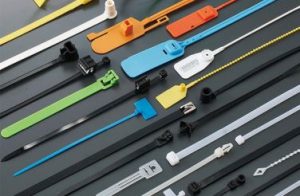
Nylon Cable Ties
Not every nylon cable tie can handle heavy cable bundles. Overloading them may lead to breakage or slippage, affecting your cable management.
Exposure to UV light, moisture, or high temperatures can weaken plastic ties over time. Selecting the correct grade ensures durability.
Using nylon cable ties in high-vibration or unsuitable areas reduces their effectiveness and can cause cable movement.
Too small or too large ties compromise security and may damage cables. Always pick sizes that match bundle dimensions.
Indoor-grade ties degrade quickly outdoors. For external applications, always use UV-resistant Nylon Cable Ties.
Different nylon grades offer various tensile strengths and heat resistance. Overlooking these factors reduces reliability.
Unevenly tightened ties can pinch or leave slack in bundles, lowering routing efficiency and safety.
Improperly cut ties leave sharp edges that may damage nearby wires or create hazards.
Improper routing reduces airflow, complicates maintenance, and leads to messy setups.
Loose ties allow bundles to shift, creating wear and reducing organization over time.
Overcrowded or tight bundles generate heat, which can degrade insulation and shorten cable lifespan.
Reusing worn or overstressed ties complicates maintenance and reduces consistent cable management.
Use appropriately sized Nylon Cable Ties, route cables along clear paths, and ensure even tension. Regularly inspect and replace old ties to maintain system organization and safety.
High-temperature or heavy-duty environments may require metal cable ties for extra strength.
For setups that need frequent cable reconfiguration, reusable or adjustable ties are more suitable than standard nylon ties.
Properly using Nylon Cable Ties ensures efficient cable routing, safer systems, and easier maintenance. For high-quality, reliable products, trust boese for professional cable management solutions.
What are common mistakes when using nylon cable ties?
Overloading, uneven tension, using indoor ties outdoors, and ignoring material grades.
Can nylon cable ties be reused?
Standard nylon cable ties are generally single-use; reusable types are available for flexible needs.
Are nylon cable ties suitable for electrical cable routing?
Yes, they are ideal if chosen with correct size, grade, and proper installation.
How do you select the right nylon cable tie for a bundle?
Consider bundle size, environment, and material grade to ensure proper tension and durability.
Can improper cable tie installation damage cables?
Yes, excessive tension or sharp edges can damage insulation and reduce cable lifespan.


Modern enterprise integrating R&D, production, sales and service
Privacy Policy | Sitemap
Copyright BOESE Co.,Ltd SUPPORT BY :JUNJ
 Optimized by Seraphinite Accelerator