- WhatsApp: 8613777772066
- Email: [email protected]


Nylon cable ties are an essential component for wiring management in various industries. Whether you are managing electrical wires, securing cables in vehicles, or organizing a workspace, the durability and versatility of nylon cable ties make them the ultimate solution. This blog will explore their uses, benefits, and why they are a go-to choice for professionals and DIY enthusiasts alike.
Nylon cable ties are flexible, strong, and reliable fasteners used to bundle and secure wires and cables together. These ties are made from high-quality nylon material, making them perfect for both home and industrial applications. Nylon cable ties come in various sizes and colors to accommodate different needs.
Nylon Cable Ties Manufacturer
Nylon cable ties are used in a variety of applications, including electrical wiring, automotive projects, home organization, and even industrial assembly lines. Their adaptability and ability to withstand harsh environments make them perfect for both indoor and outdoor use.
Nylon cable ties offer numerous advantages, such as strength, flexibility, and cost-effectiveness. They are resistant to wear, heat, and certain chemicals, which makes them highly suitable for both heavy-duty and everyday applications. Additionally, they are available in different types, such as weather-resistant or UV-resistant varieties, ensuring longevity in outdoor environments.
Choosing the right nylon cable tie is crucial to ensure that your wiring system is secure and durable. Factors such as wire size, strength, and the environment in which they will be used should be considered. For heavier cables, industrial-strength cable ties are recommended, while smaller ties can be used for lighter applications.
To use nylon cable ties effectively, it is important to install them properly. Ensure the cable tie is positioned around the wiring and tightened securely without causing damage. Over-tightening can cause the cable to be compressed, while too loose a tie can lead to slippage. The proper installation technique ensures that the tie holds the wires securely without compromising their integrity.
One of the most common uses for nylon cable ties is organizing cables and wires. With nylon cable ties, you can bundle cables neatly, reducing clutter and improving safety. Proper cable management prevents tangling, accidental unplugging, and the risk of damage, making your setup more efficient and reliable.
When selecting nylon cable ties, always look for ties that are made from high-grade nylon materials. Check for UV resistance, tensile strength, and temperature resistance to ensure the tie will last under specific conditions. High-quality ties will ensure long-term reliability and will withstand the stress of everyday use.
Different applications require different cable tie specifications. For instance, if you’re using cable ties for outdoor applications, you may want UV-resistant ties. If you’re working in a high-heat environment, look for high-temperature resistant nylon ties to ensure they maintain their strength and integrity.
Nylon cable ties are a cost-effective solution for wiring and cable management. Due to their durability, they last longer than alternatives, providing value for money in both residential and industrial applications. They are also easily available in bulk, reducing costs further.
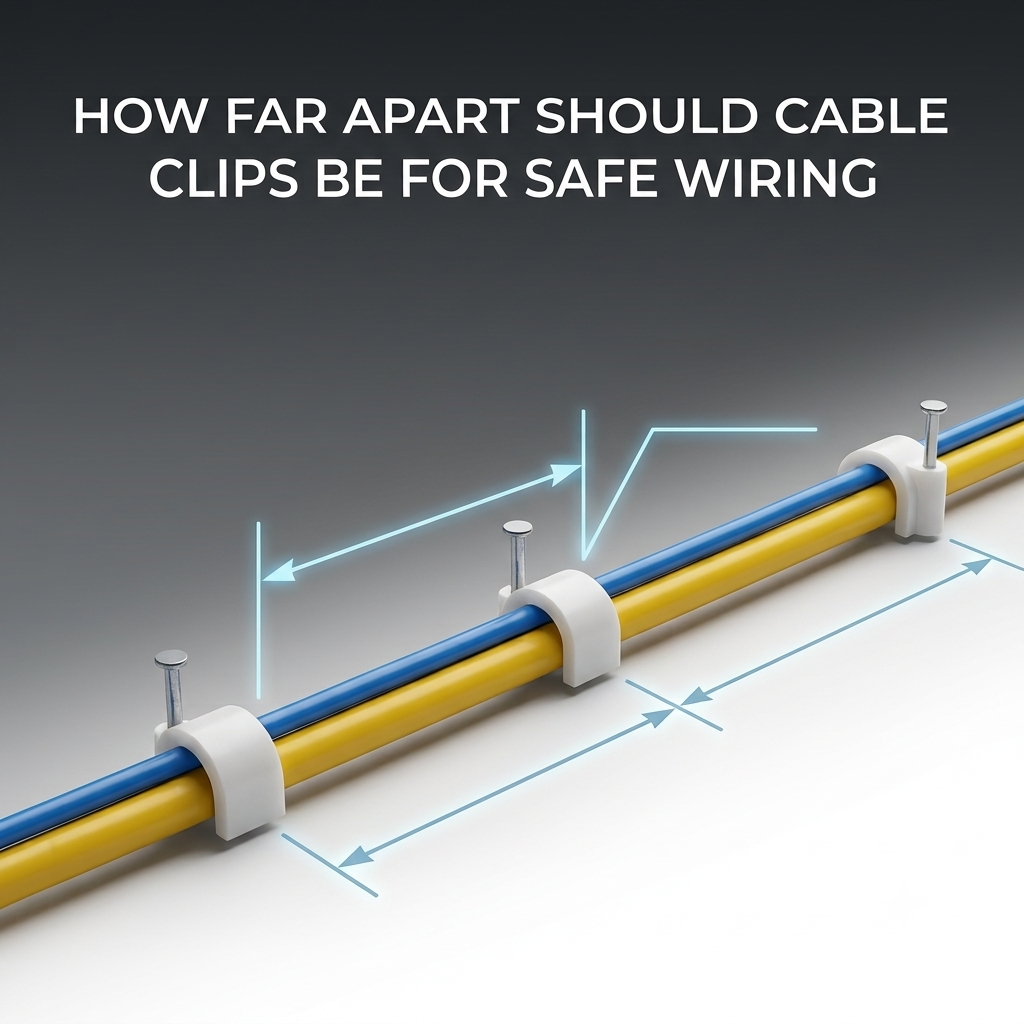
Ensure that the nylon cable ties are placed at regular intervals to maintain a balanced hold on the wires. They should not be placed too far apart, as this may result in unsecured or loose cables.
It’s important not to over-tighten the nylon cable ties, as this could damage the cables or cause strain on the wiring. Tighten the tie just enough to keep the cables in place without applying excessive pressure.
One common mistake when using nylon cable ties is using them for inappropriate applications, such as applying them to high-voltage or extreme-temperature environments without ensuring their suitability. Always check the specifications to ensure you’re using the right type of tie for the task at hand.
Regularly inspect your nylon cable ties to check for wear and tear. Over time, cable ties can become brittle or damaged, especially when exposed to UV light or extreme temperatures. Replacing damaged ties ensures that your wiring stays secure and safe.
Aging ties should be replaced immediately to avoid cable damage or disorganization. Aging cable ties may lose their strength, which can cause them to break and result in cables becoming loose or disorganized.
Proper maintenance, such as regular inspections and replacement of damaged ties, ensures that your cable management remains effective for the long term. By choosing high-quality nylon cable ties and maintaining them properly, you ensure that your wiring system remains secure and reliable.
Nylon cable ties are a versatile, strong, and cost-effective solution for your wiring needs. Whether you’re organizing cables at home, securing wires in a vehicle, or managing electrical systems, high-quality nylon cable ties are essential. Their flexibility, durability, and ease of use make them the ultimate tool for cable management.
Boese offers a wide range of nylon cable ties, including industrial-strength and UV-resistant options, ensuring you have the right tool for every job. Explore our collection and make your wiring projects easier today!
How do nylon cable ties protect wiring?
Nylon cable ties secure wires in place, preventing them from moving around, which helps avoid damage from abrasion or environmental factors like heat and moisture.
What are the best nylon cable ties for heavy-duty use?
For heavy-duty applications, you should opt for high-tensile strength nylon cable ties designed to handle larger cables and withstand industrial conditions.
Can I use nylon cable ties for outdoor applications?
Yes, you can use UV-resistant nylon cable ties for outdoor applications. These ties are specifically designed to withstand the sun’s rays without breaking down.
How often should I replace my nylon cable ties?
Nylon cable ties should be inspected regularly for signs of wear and replaced when they show any signs of aging or brittleness to ensure continued wire protection.

Modern enterprise integrating R&D, production, sales and service
Privacy Policy | Sitemap
Copyright BOESE Co.,Ltd SUPPORT BY :JUNJ
 Optimized by Seraphinite Accelerator