- WhatsApp: 8613777772066
- Email: [email protected]


Car cable ties may seem like a simple tool, but they are essential for every mechanic. Reliable Car Cable Ties help organize wiring, prevent hazards, and maintain long-term performance in both daily repairs and complex vehicle projects.
Car cable ties secure wires, hoses, and small components, preventing movement while driving. This reduces the risk of electrical faults, short circuits, and accidental damage.
Common types include standard nylon cable ties, heat-resistant cable ties, reusable cable ties, and heavy-duty automotive cable ties. Each type is designed for specific conditions such as high temperature, vibration, or tight installation spaces.
Mechanics use Car Cable Ties because of their speed, strength, and versatility. They allow quick organization of wiring and secure routing even in high-vibration environments, making them indispensable in professional workshops.
Durable cable ties withstand heat, chemicals, and constant vibration. High-quality automotive cable ties reduce wiring failures, improve vehicle safety, and save time during repairs.
Organized wiring reduces clutter, prevents abrasion, and simplifies diagnostics. Using professional Car Cable Ties ensures that wires stay secure and traceable.
Mechanics apply cable ties for battery replacements, wire harness adjustments, aftermarket installations, and general maintenance. Their simplicity and reliability make them essential in everyday work.
Consider tensile strength, heat resistance, material quality, locking mechanism, and longevity. High-quality ties are less likely to snap and ensure safe cable management.
Use heat-resistant nylon in engine compartments, reusable ties for adjustable wiring, and heavy-duty cable ties for thick harnesses or high-stress areas.
Check for smooth edges, strong locking teeth, uniform molding, and proven durability under real vehicle conditions. Professional-grade Car Cable Ties are recommended for mechanics handling complex wiring systems.
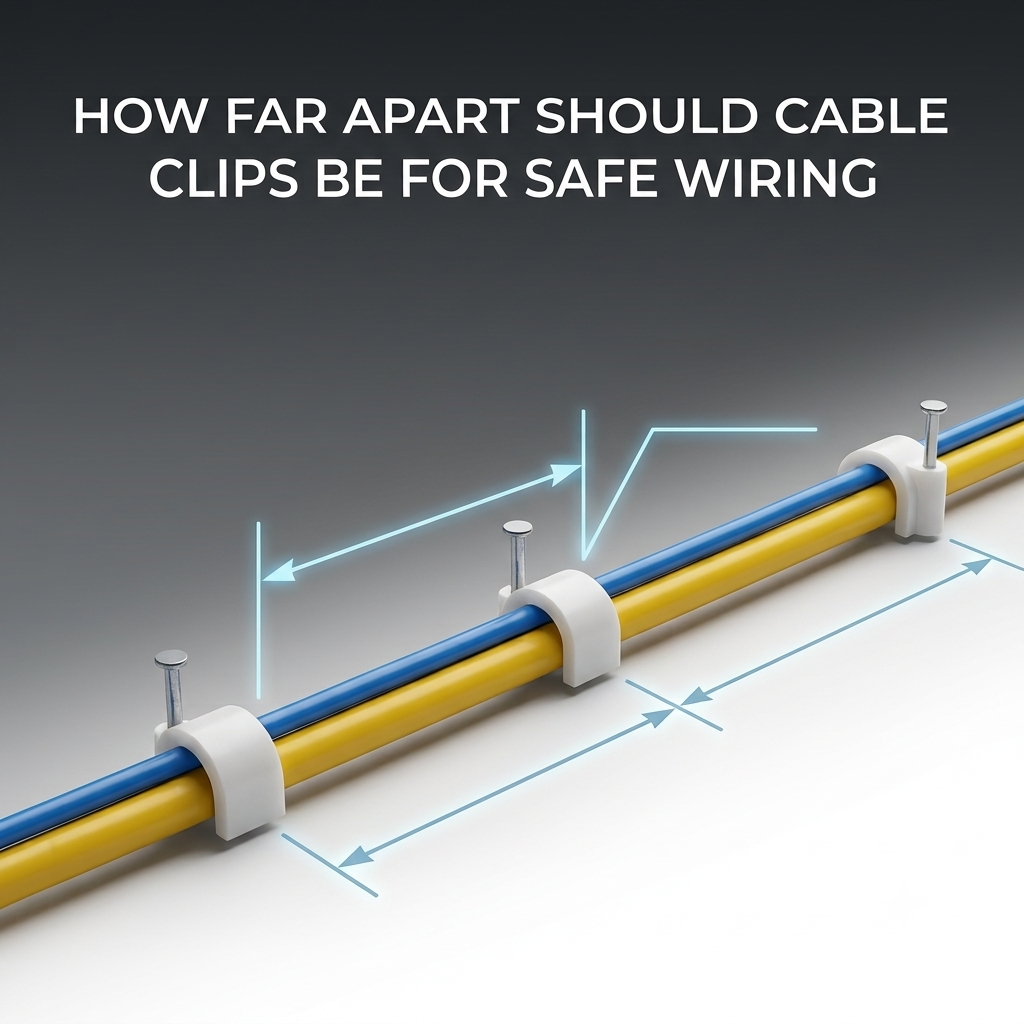
Group wires by function, route away from heat sources, and secure at consistent intervals for optimal safety and maintenance convenience.
Use shorter ties for compact areas, avoid overtightening, and protect insulation from pinching to ensure safe long-term operation.
Avoid sharp edges, mixing high-current and signal wires, and using low-quality ties that may degrade quickly. Proper installation improves safety and efficiency.
Regularly check for discoloration, brittleness, cracks, or loosening. High-heat or high-vibration areas require more frequent inspections.
Replace ties that show signs of aging, damage, or after major repairs to maintain vehicle safety and wire integrity.
Use durable materials, maintain consistent spacing, and avoid excessive heat exposure. Proper care extends the lifespan of your cable management setup.
Reliable Car Cable Ties are small but essential tools for safe, organized, and efficient vehicle maintenance. Choosing high-quality options ensures long-term performance and reduces wiring problems. For professional-grade Boese automotive solutions, explore their cable ties and wiring accessory products to improve your workflow.
What are the best car cable ties for mechanics
High-strength, heat-resistant nylon cable ties are ideal for most automotive applications.
How to choose durable automotive cable ties
Select ties with strong locking teeth, high tensile strength, and resistance to heat, chemicals, and vibration.
Can cable ties improve vehicle cable management
Yes, they help keep wiring organized, secure, and protected from wear or accidental movement.
How often should car cable ties be replaced
Replace ties when showing signs of aging, brittleness, or after major wiring adjustments.


Modern enterprise integrating R&D, production, sales and service
Privacy Policy | Sitemap
Copyright BOESE Co.,Ltd SUPPORT BY :JUNJ
 Optimized by Seraphinite Accelerator