- WhatsApp: 8613777772066
- Email: [email protected]


Cable glands play a crucial role in protecting electrical systems from dust, water, and other environmental hazards. These small devices ensure that cables entering equipment or enclosures remain secure and maintain electrical safety. Choosing the correct IP-rated cable gland helps prevent short circuits, equipment failure, and costly maintenance. In this article, you will gain a comprehensive understanding of Cable Glands, their classifications, and best practices for selection and installation.
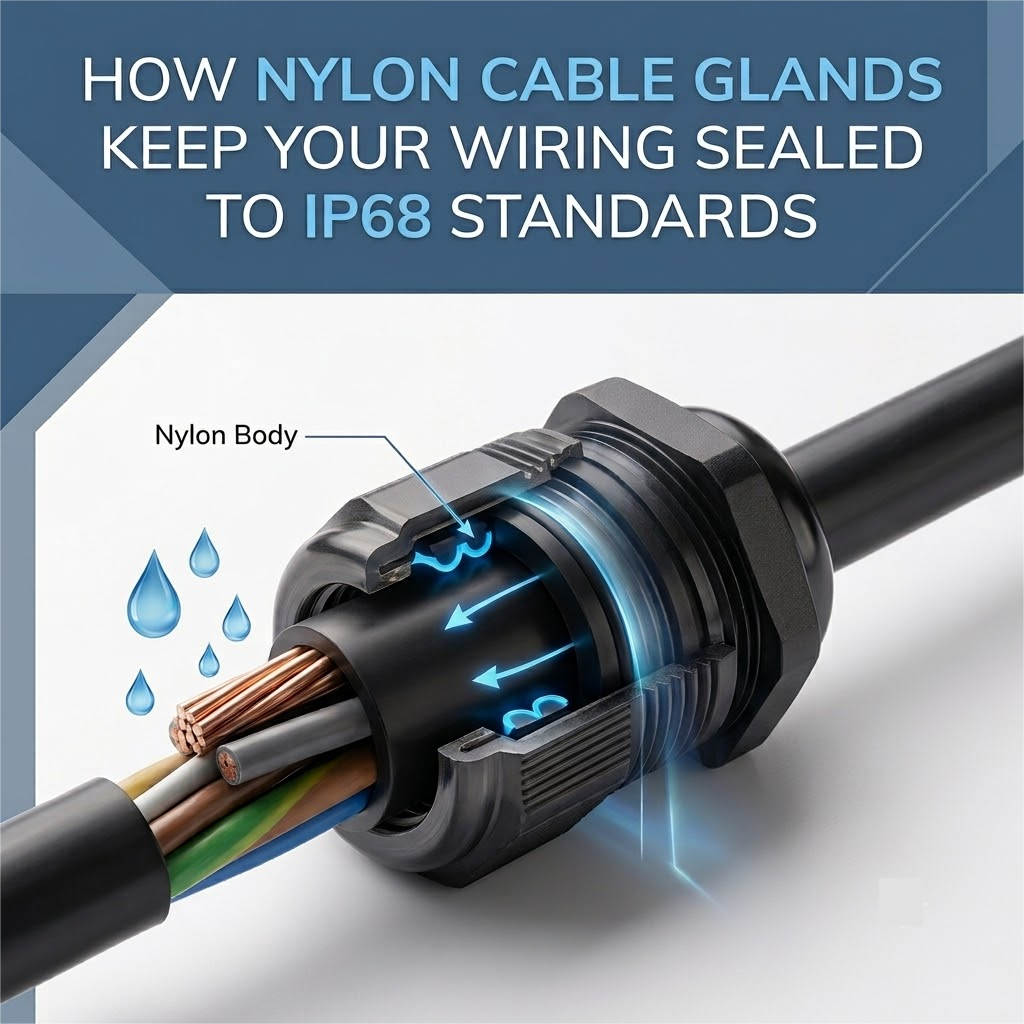
An IP-rated cable gland is designed to form a tight seal around the cable and enclosure, ensuring electrical connections remain safe and functional. These Cable Glands are widely used in residential, industrial, and outdoor applications to improve system reliability.
IP classification, or Ingress Protection rating, indicates the level of protection a cable gland offers against solids and liquids. For example, an IP68-rated cable gland provides complete dust protection and can withstand long-term water immersion. Understanding the IP rating helps you choose a gland suitable for your environment.
Using the wrong or non-rated cable gland can result in water ingress, dust accumulation, and mechanical stress on cables, causing electrical shorts, corrosion, or even fire hazards. Selecting the proper Cable Glands ensures secure connections, protects wiring integrity, and maintains compliance with safety standards.
For homes or offices, consider the cable diameter, indoor environment, and potential exposure to moisture. Nylon or standard waterproof glands usually provide sufficient protection. Proper selection helps ensure safety without unnecessary complexity or cost.
Industrial and outdoor installations face harsher conditions such as vibration, temperature fluctuations, and exposure to dust or water. Metal or high-grade waterproof cable glands are recommended for these scenarios. Correct selection minimizes maintenance requirements and protects expensive equipment.
Waterproof cable glands prevent water ingress and are ideal for bathrooms, kitchens, or outdoor areas. Dustproof glands protect against particles in dusty environments like factories or construction sites. Standard IP-rated glands are suitable for controlled indoor environments.
Place cable glands precisely where the cable enters the enclosure, ensuring a tight seal without damaging insulation. Correct placement prevents water or dust from entering and reduces mechanical strain.
Basic tools include adjustable wrenches, screwdrivers, and pliers. For metal glands, torque wrenches may be needed to ensure proper tightness. Using the right tools guarantees secure installation and long-term performance.
Common mistakes include incorrect gland sizes, over-tightening, or misalignment. Over-tightening can crush the cable, while undersized glands may not seal properly. Misalignment increases the risk of water or dust ingress.
Inspect installed glands regularly for wear, cracks, or loosening. Early detection helps prevent equipment failure and maintains safety.
Watch for water ingress, dust buildup, shifting cables, or corrosion on metal glands. Any of these issues may compromise electrical performance and should be addressed immediately.
Replace damaged glands, keep connections clean, and avoid unnecessary stress on cables. Proper maintenance extends both cable and equipment lifespan.
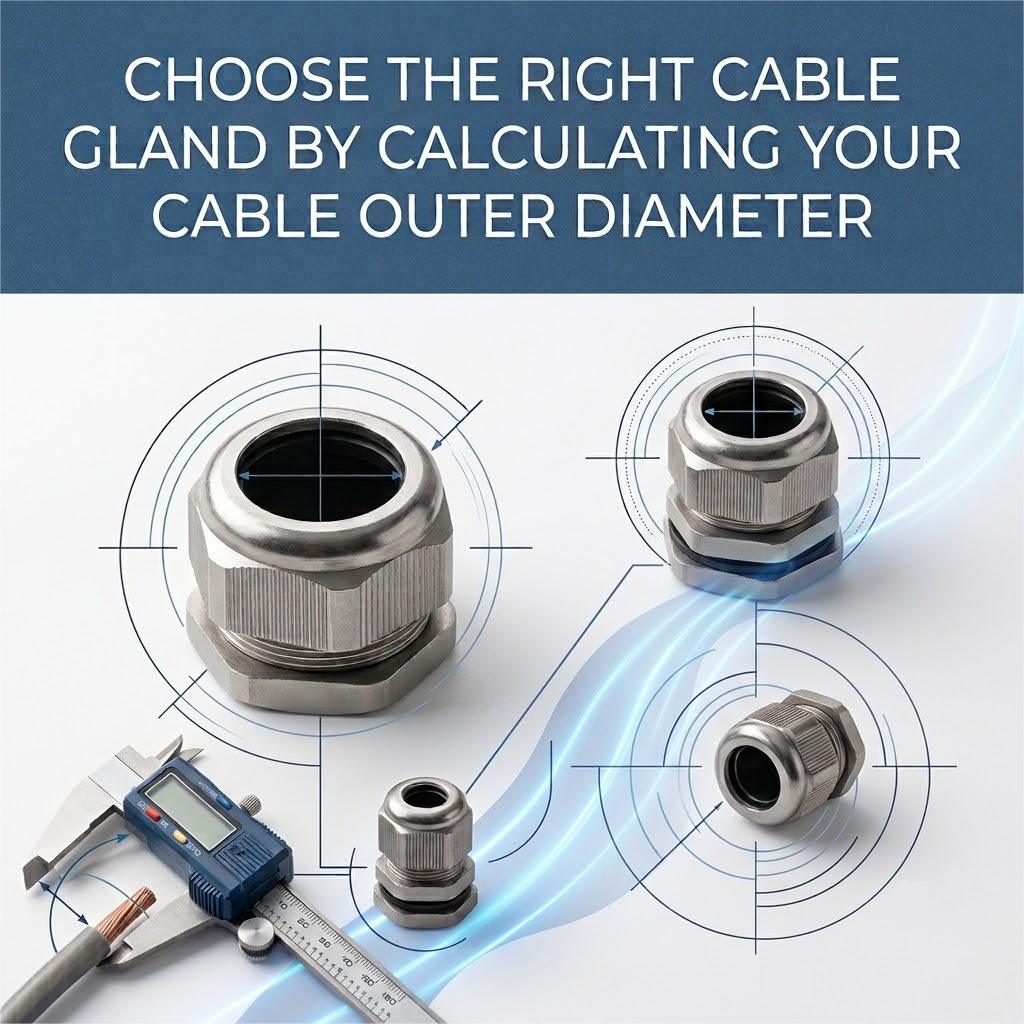
Accurately measure the cable diameter and check gland specifications. A proper fit ensures a reliable seal and prevents mechanical or environmental damage.
Select materials based on the installation environment. Nylon is suitable for indoor use, metal for industrial or outdoor settings, and waterproof options for high-moisture areas.
Identify the cable type and diameter.
Evaluate environmental exposure (water, dust, temperature).
Choose a gland material that fits the application and meets IP rating requirements.
Ensure compatibility with the enclosure or equipment.
Install and maintain according to manufacturer guidelines.
IP-rated cable glands are essential for protecting electrical connections from dust, water, and other environmental hazards. Selecting the right type ensures safety, durability, and optimal system performance. Boese offers a wide range of high-quality Cable Glands, including waterproof and dustproof options, making it easy to find the ideal solution for your electrical projects. Explore Cable Glands to secure your wiring systems efficiently.
What is the difference between waterproof and dustproof cable glands?
Waterproof glands prevent water ingress, while dustproof glands block dust. Both protect electrical connections in specific environments.
How do I determine the correct IP rating for my cable gland?
Check the environmental exposure and select a gland with an IP rating that matches dust and water protection requirements.
Are IP-rated cable glands necessary for indoor wiring?
Not always. They are needed if the area is humid, wet, or prone to dust.
Can using the wrong IP-rated cable gland compromise electrical safety?
Yes, it can cause loose connections, water ingress, and increase the risk of short circuits or fire.


Modern enterprise integrating R&D, production, sales and service
Privacy Policy | Sitemap
Copyright BOESE Co.,Ltd SUPPORT BY :JUNJ
 Optimized by Seraphinite Accelerator