- WhatsApp: 8613777772066
- Email: [email protected]


Choosing the right electrical connectors can save you time, prevent failures, and ensure your project runs safely. As you plan your wiring setup, you want reliable parts that handle voltage, current, and environmental conditions. This guide helps you understand what to look for so you can select the best option with confidence.
When you pick the correct connector, your electrical system becomes safer and more efficient. A good connector prevents overheating, loose contacts, and wire damage. As you evaluate options like Electrical Connectors, consider how each type supports your project’s long-term reliability.
You should always match the connector with the current and voltage requirements of your circuit. Undersized components can overheat or fail during long-term use.
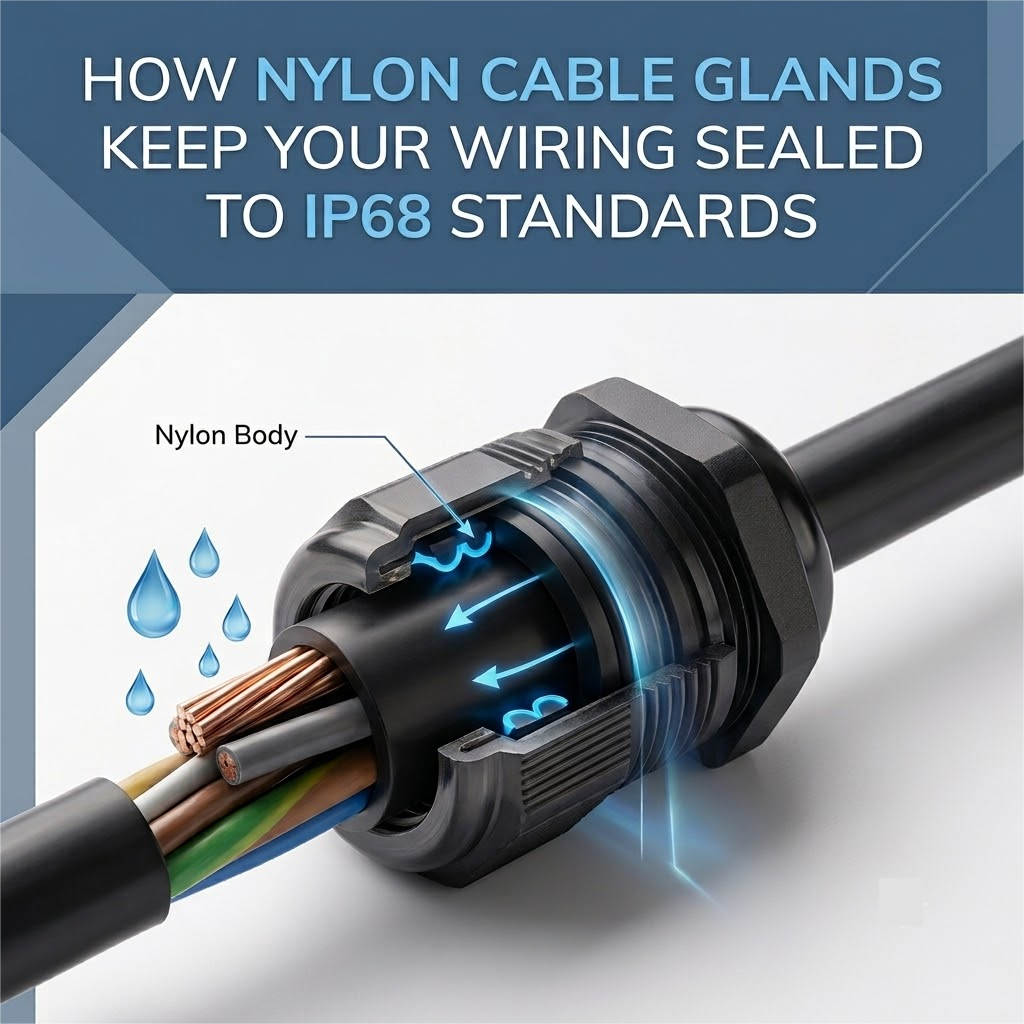
If your project is exposed to dust, vibration, or moisture, you need connectors with protective housings or waterproof ratings. This ensures your system stays secure even in harsh conditions.
These are ideal for linking two cables without needing extra hardware. They’re great for DIY, automotive, and household electrical projects.
If you’re working on circuit boards or custom electronics, these connectors provide stable signal transmission and secure mounting. You can explore different styles of Electrical Connectors to match your required functionality and installation method.
Nylon and PVC housings offer insulation, flame resistance, and long service life. Always choose connectors from trusted suppliers to avoid poor-quality plastics that may deform.
Copper and brass terminals offer strong conductivity. For high-demand applications, plated contacts help resist corrosion and maintain stable performance.
Before final installation, verify that connectors securely lock in place. A loose fit can cause intermittent power loss.
Make sure you strip just enough insulation so the conductor sits fully inside the terminal, guaranteeing better conductivity and safety. For more project-ready options, check the full range of Electrical Connectors.
Choosing the right connectors helps you complete your project with confidence, ensuring durability and smooth electrical performance. As you compare different types, materials, and load ratings, you’ll quickly see how the right choice saves time and prevents future issues. Trusted suppliers like Boese help you source reliable components that simplify your work.
What type of connector is best for automotive projects?
Wire-to-wire connectors made from heat-resistant materials are commonly used for automotive wiring.
How do I know if a connector can handle my voltage?
You should always check the rated voltage and current printed in the product specifications before purchasing.
Are waterproof connectors necessary?
If your project is outdoors, exposed to moisture, or installed near moving machinery, waterproof connectors provide essential protection.
Can I mix connectors from different brands?
You can, but ensure they fit properly and share the same specifications to avoid compatibility issues.

Modern enterprise integrating R&D, production, sales and service
Privacy Policy | Sitemap
Copyright BOESE Co.,Ltd SUPPORT BY :JUNJ
 Optimized by Seraphinite Accelerator