- WhatsApp: 8613777772066
- Email: [email protected]


Proper installation of cable glands is essential for ensuring optimal performance and safety of electrical systems. Whether you’re dealing with outdoor, hazardous, or industrial applications, understanding the best practices for cable gland installation is key. In this blog, we’ll guide you through the necessary steps for safely installing cable glands, so your electrical systems run efficiently.
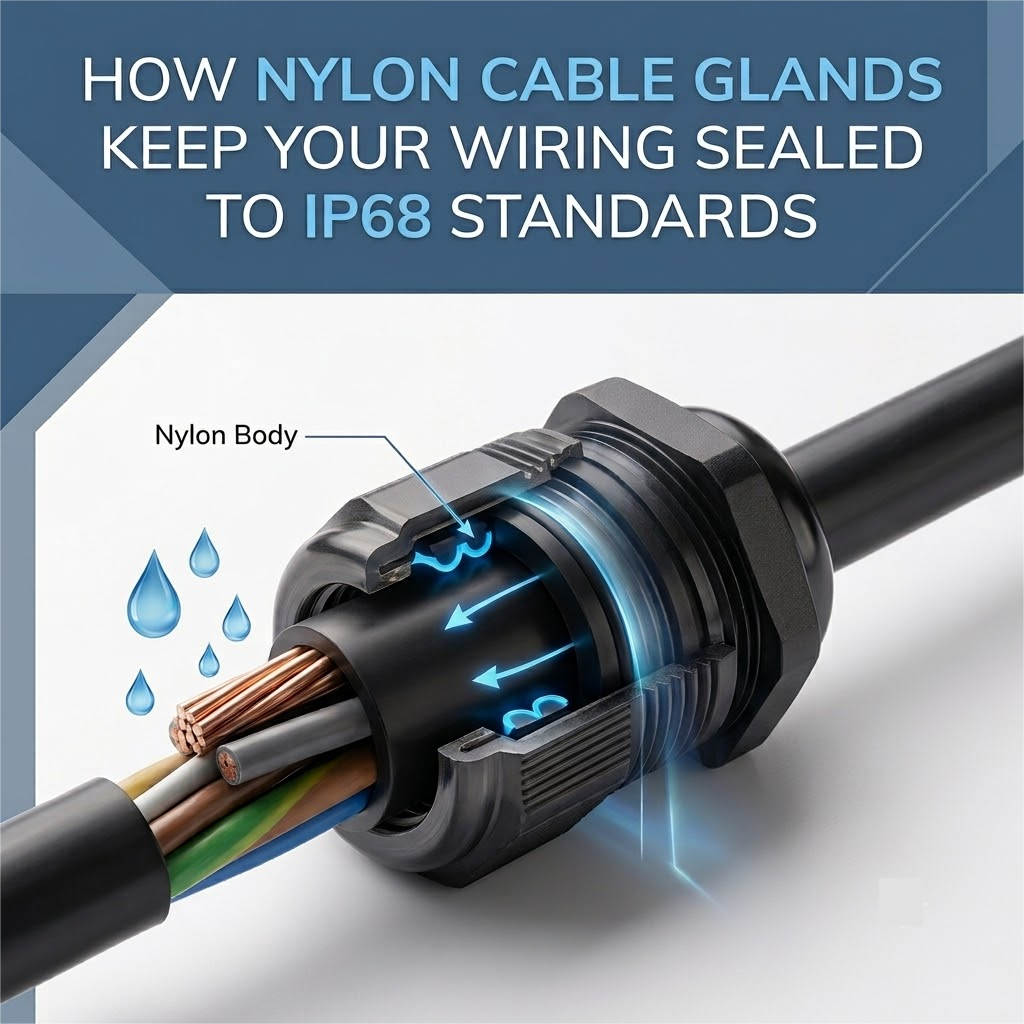
Cable glands are essential components used to secure and seal cables where they enter electrical equipment or enclosures. They protect cables from mechanical stress, environmental factors like moisture, and ensure the integrity of the entire electrical system. Installing them correctly is crucial to avoid system failures or safety hazards.
Incorrect installation of cable glands can lead to cable damage, loss of system performance, and potential safety hazards. For maximum performance, follow the correct procedures to ensure your electrical systems are secure and protected. Proper cable gland installation enhances the durability of cables, improves safety, and minimizes the risk of electrical faults.
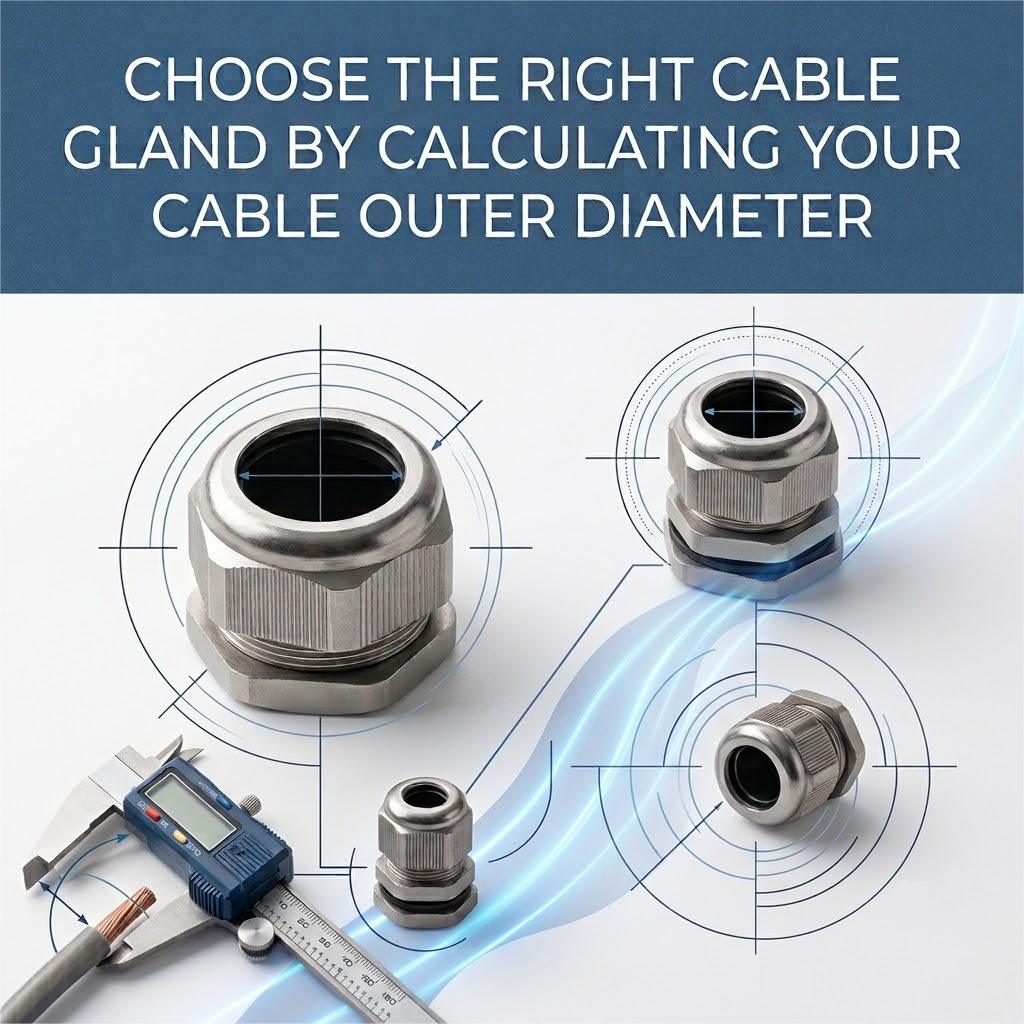
Choosing the appropriate cable gland is the first step. It should match the cable type, diameter, and environmental conditions. For example, use waterproof cable glands for outdoor applications or explosion-proof glands for hazardous areas.
Before installing the gland, strip the cable insulation carefully to ensure the wires are exposed enough to connect to the gland. Avoid over-stripping or damaging the conductors. The preparation process is essential for a secure and reliable installation.
Once you’ve prepared the cable and selected the correct gland, insert it into the enclosure or equipment. Tighten it securely using the proper tools to ensure a tight seal. A loose gland can allow moisture or dirt to penetrate, potentially causing damage to the cables and equipment.
For maximum performance, ensure that the gland forms a proper seal around the cable. This prevents water, dust, and other contaminants from entering the electrical enclosure, which could lead to equipment failure. Use seals or washers where necessary to ensure the gland is tightly fitted.
After installation, check that the gland is neither too tight nor too loose. Over-tightening can damage the cable or the gland itself, while under-tightening may compromise the seal and performance. Always follow the manufacturer’s recommended torque values for installation.
Over-tightening can cause damage to the cable or gland, leading to a poor seal and potential system failures. Always use the recommended torque.
Improper cable stripping can lead to exposed wires, causing short circuits or electrical hazards. Be sure to follow proper cable preparation techniques.
Using the wrong type of gland for your environment can compromise the safety and performance of your system. Always ensure you choose glands suitable for the application, whether it’s for outdoor use, hazardous zones, or extreme temperatures.
Safe and proper installation of cable glands is crucial for maintaining electrical safety and maximizing system performance. By following the correct installation steps and using the right components, you can ensure that your electrical systems operate safely and efficiently. BOESE offers a wide range of high-quality cable glands designed to meet the needs of various applications.
How do cable glands protect electrical systems?
Cable glands secure cables, prevent contamination, and ensure a safe, tight seal to protect against moisture and dust.
What are the different types of cable glands available?
There are various types, including waterproof, explosion-proof, and industrial cable glands, each suited for specific environments and applications.
Can I use any cable gland for my installation?
No, it’s important to choose the right type of gland based on the cable size, type, and environmental conditions to ensure safety and performance.
How tight should I install the cable gland?
Follow the manufacturer’s torque recommendations to avoid over-tightening or under-tightening, which could lead to system failure or poor sealing.

Modern enterprise integrating R&D, production, sales and service
Privacy Policy | Sitemap
Copyright BOESE Co.,Ltd SUPPORT BY :JUNJ
 Optimized by Seraphinite Accelerator