- WhatsApp: 8613777772066
- Email: [email protected]


Cable glands are small but critical components in any electrical system. They secure the cable where it enters equipment or enclosures, preventing accidental disconnections and protecting the internal wiring from environmental hazards. Choosing the right cable gland can prevent costly repairs, ensure electrical safety, and extend the lifespan of your installation. In this guide, you will learn what cable glands are, the different types, how to select the right one, and installation best practices to keep your wiring safe and reliable.
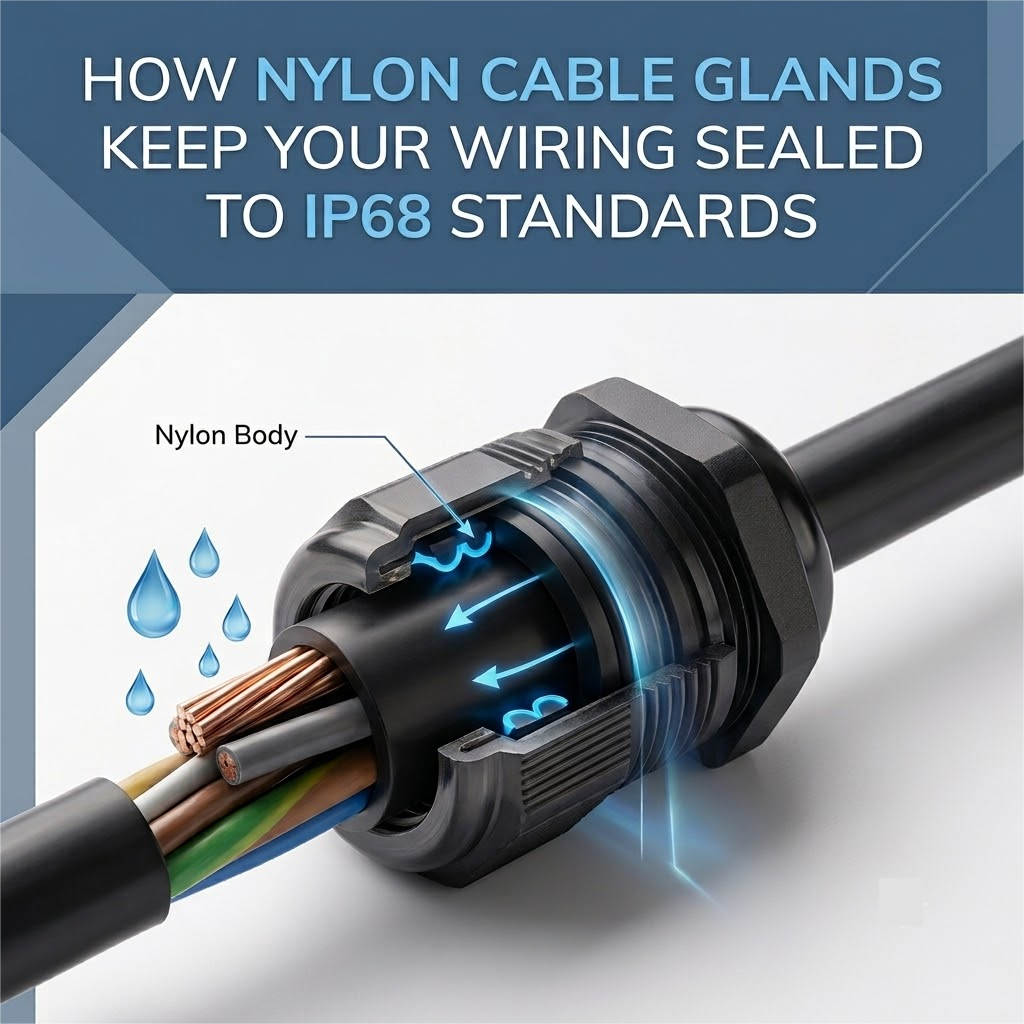
A cable gland is a mechanical device designed to attach and secure the end of an electrical cable to equipment. It helps maintain electrical continuity, protects the cable from mechanical stress, and prevents environmental factors such as water, dust, and vibrations from affecting the wiring. Essentially, it acts as a bridge between your cables and the equipment, keeping everything secure and functioning properly. Many professionals rely on quality cable glands to ensure long-lasting performance.
Cable glands come in a variety of materials and designs depending on the application:
Nylon Cable Gland: Made of high-strength plastic, lightweight, and corrosion-resistant. Ideal for indoor or light-duty installations.
Metal Cable Gland: Typically made of brass or stainless steel, offering superior strength and durability. Suitable for harsh industrial environments or outdoor applications.
Waterproof Cable Gland: Specifically designed to prevent water ingress. Often rated with IP68 or higher, making them perfect for outdoor or wet area installations.
Selecting the wrong type of cable gland can have serious consequences. A gland that does not fit correctly may allow water or dust to enter, increasing the risk of short circuits. Improper material choice may lead to mechanical failure or corrosion, compromising both the wiring and connected devices. By selecting the appropriate cable gland, you reduce hazards, improve reliability, and ensure compliance with safety standards.
For household installations, focus on the cable diameter, indoor environmental conditions, and compatibility with electrical devices. Nylon or standard waterproof glands usually provide sufficient protection. Consider the location: areas near bathrooms or kitchens may require waterproof options due to potential moisture exposure. Proper selection ensures that even in homes, your wiring is safe and reliable.
In offices and industrial facilities, wiring is often more complex and subject to higher mechanical stress. Metal cable glands or high-grade waterproof options are recommended. Durability against vibrations, temperature fluctuations, and potential exposure to liquids is crucial to maintain safety. Selecting glands suited to the workload can prevent downtime and reduce maintenance costs.
Choosing the right material depends on the environment:
Nylon is cost-effective, corrosion-resistant, and sufficient for indoor use.
Metal glands are stronger, ideal for harsh industrial environments, and resistant to impact or chemical exposure.
Waterproof glands are necessary in outdoor settings or areas exposed to water, humidity, or dust.
Understanding your environment and application will guide you to the proper choice.
Place cable glands precisely where the cable enters the device or enclosure. Ensure that the gland grips the cable tightly without over-compressing it, which can damage insulation. Correct placement prevents cable movement that could stress connections or loosen them over time.
Basic installation tools include adjustable wrenches, screwdrivers, and pliers. For industrial or metal glands, torque wrenches may be required to achieve proper tightness. Using the correct tools ensures a secure and reliable installation.
Common errors include over-tightening, incorrect gland sizing, and improper alignment. Over-tightening can crush the cable, while undersizing leads to loose connections. Misalignment may allow water or dust ingress. Following installation guidelines helps maintain performance and safety.
Regularly check installed cable glands for signs of wear or damage. Inspect the seals for cracks or hardening, which may compromise the protective function.
Look for water entry, shifting cables, or corrosion on metal glands. Loose or worn glands can compromise system safety, so addressing issues promptly is essential.
Replace any damaged or degraded cable glands immediately. Keep the connections clean and dry, and ensure that the cables are not subjected to unnecessary strain. Proper maintenance extends the lifespan of both the cable and the connected equipment.
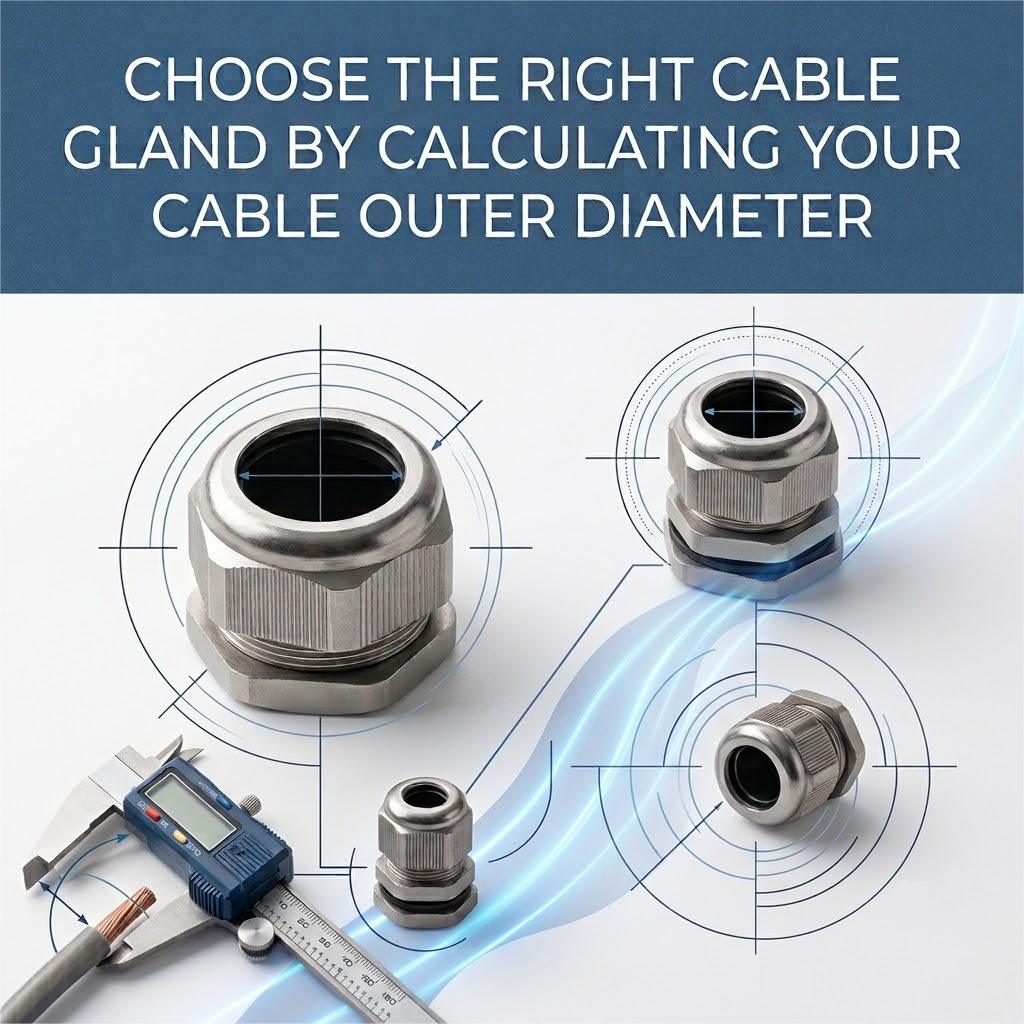
Measure the diameter of your cables accurately and check the gland’s specifications. A secure fit ensures the cable is held firmly and maintains a reliable seal against environmental factors.
Select materials suitable for your specific installation. Nylon works well for indoor and low-stress areas, metal for industrial or outdoor areas, and waterproof options for wet conditions. The right material choice prevents corrosion, mechanical damage, and other hazards.
Determine the cable type and diameter.
Assess the installation environment and exposure to moisture, dust, or chemicals.
Choose a gland material that fits the application and meets safety standards.
Verify that the gland threads are compatible with the enclosure or equipment.
Install and maintain according to guidelines to ensure long-term reliability.
Selecting the correct cable gland is essential for safety, reliability, and durability in any electrical system. Boese offers a wide range of high-quality cable glands for different applications, ensuring secure connections and long-lasting performance. Explore Boese to find the right solution for your wiring projects and protect your system efficiently.
What is the difference between nylon and metal cable glands?
Nylon is lightweight and corrosion-resistant, ideal for indoor use. Metal glands are stronger and suitable for industrial or outdoor environments.
How do I determine the correct cable gland size?
Measure the cable diameter and select a gland that fits securely according to specifications.
Are waterproof cable glands necessary for indoor installations?
They are usually unnecessary indoors unless the area is humid or exposed to water.
Can using the wrong cable gland affect electrical safety?
Yes, it can lead to loose connections, water ingress, and increase the risk of fire.


Modern enterprise integrating R&D, production, sales and service
Privacy Policy | Sitemap
Copyright BOESE Co.,Ltd SUPPORT BY :JUNJ
 Optimized by Seraphinite Accelerator