- WhatsApp: 8613777772066
- Email: [email protected]


If your business handles wiring, harnesses, or equipment assembly, you’ve likely asked yourself: cable ties or cable clamps—which one actually fits your application? Picking the wrong wire fastener can cost your business rework time, safety issues, or unnecessary spend on replacements.
In this guide, you’ll get a straightforward, practical comparison of cable ties vs cable clamps, so you can make a confident sourcing decision for your next project.
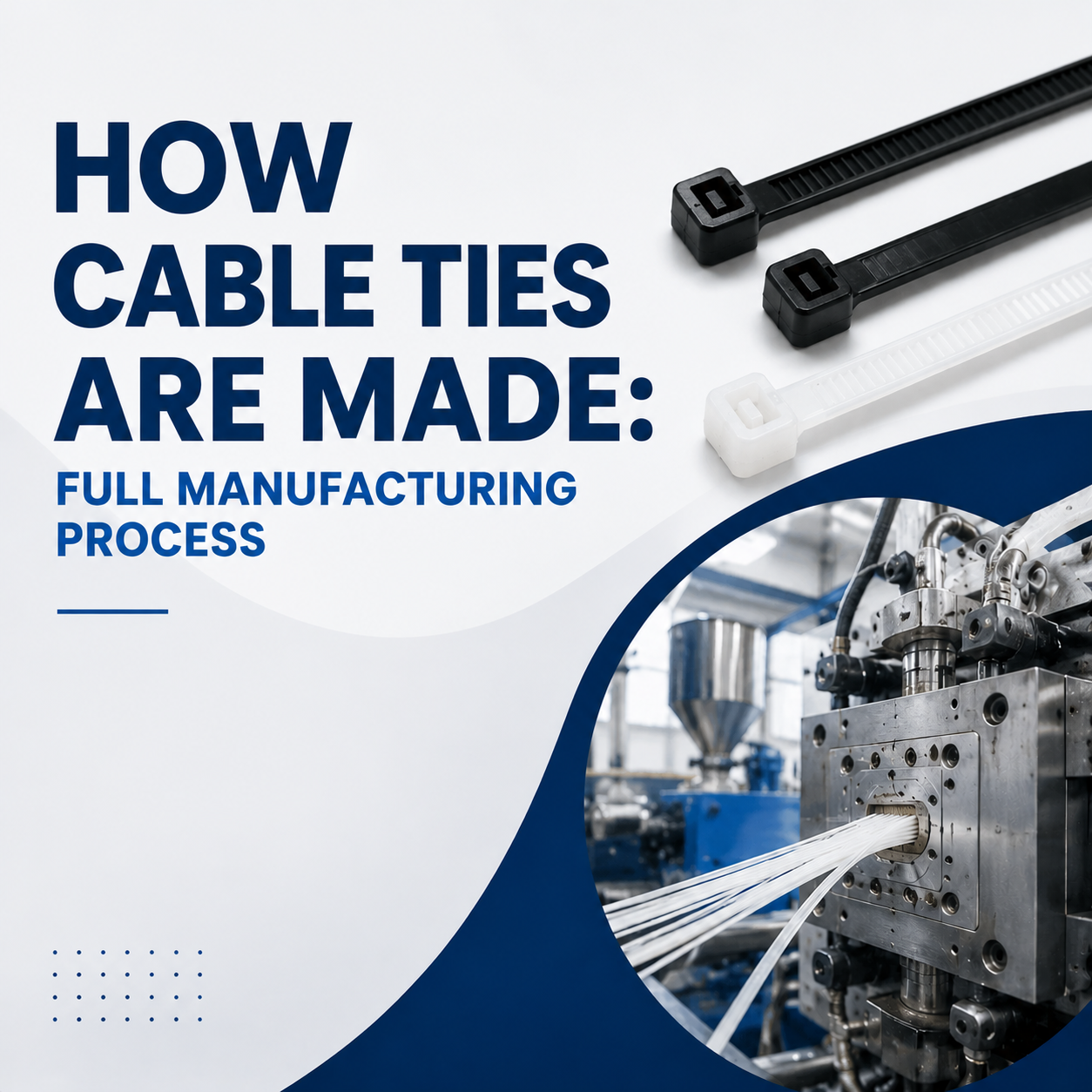
A nylon cable tie is a one-piece plastic fastener with a ratchet mechanism that locks cables into a bundle. You’ll typically use these for organizing wires quickly and affordably. They’re lightweight, come in dozens of sizes, and are one of the most common wire fasteners your business will encounter in electrical, automotive, and manufacturing work.

For applications where your bundles need to withstand pulling force or outdoor exposure, you’ll want to look at heavy duty cable ties, which offer higher tensile strength and better UV or chemical resistance than standard ties.
A cable clamp is a reusable mounting fastener—usually metal or nylon—that secures a cable or bundle to a surface, panel, or frame. Unlike a tie, a clamp doesn’t wrap and lock; it holds cables in place with screws, bolts, or a snap-fit body. If your business needs to route cables along a fixed structure, an industrial cable clamp is usually the better fit.

A nylon cable clamp is a common choice when you need corrosion resistance and lighter weight than metal, while still keeping cables mounted securely to a chassis or wall.
Here’s a side-by-side breakdown to help your business decide quickly.
| Feature | Cable Ties | Cable Clamps |
|---|---|---|
| Reusability | Mostly single-use (unless you choose reusable cable ties) | Fully reusable |
| Mounting | Self-locking, no surface mount | Mounts to a surface or panel |
| Load Capacity | Good for light-to-medium bundles | Better for heavy, fixed-route cables |
| Cost per Unit | Lower | Higher, but reusable |
| Installation Speed | Very fast | Requires tools/screws |
| Best Use Case | Bundling, organizing, temporary routing | Fixed mounting to structures or panels |
You’ll want cable ties when your priority is speed and low cost per unit—bundling wires inside a control cabinet, organizing server room cables, or routing wiring harnesses in vehicles. If your environment involves high heat, check out our detailed breakdown of cable tie heat resistance before you commit to a material.
If your business is looking to cut down on plastic waste or repeated purchasing costs, reusable cable ties (release-and-reuse designs) are worth considering as a middle-ground option between standard ties and clamps.
Choose cable clamps when you need cables mounted permanently to a wall, chassis, or equipment frame—especially in industrial settings where vibration or movement could loosen a standard tie. Industrial cable clamps are also the safer choice when local codes require a fixed, inspectable mounting method rather than a plastic strap.
For a full sourcing breakdown, see our industrial cable clamps guide, covering types, sourcing, and installation in detail.
If you’re new to sourcing clamps for your business, here’s the basic installation process your team will follow:
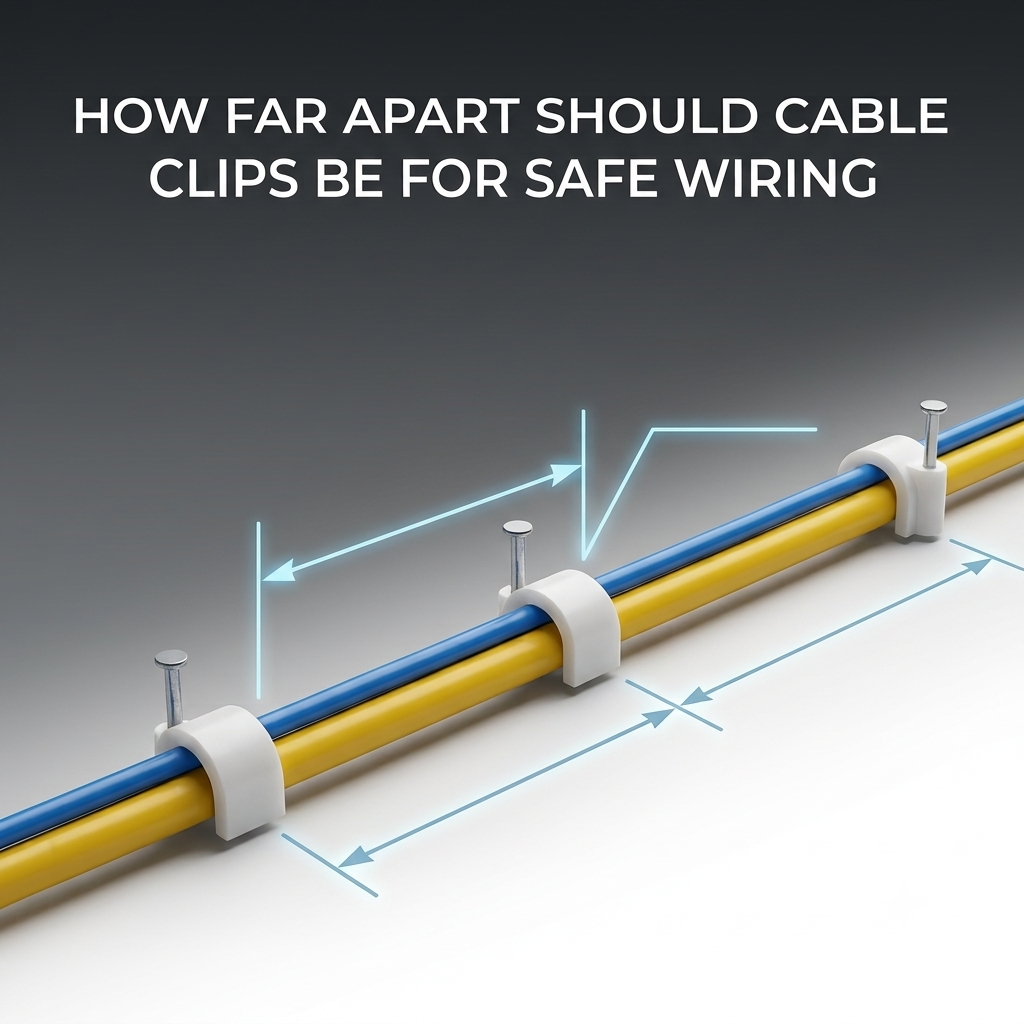
1. Measure your cable or bundle diameter to select the correct clamp size.
2. Position the clamp against the mounting surface where you want the cable secured.
3. Insert the screw or bolt through the clamp’s mounting hole.
4. Tighten until the cable is held firmly but not compressed or damaged.
5. Check periodically for loosening, especially in high-vibration environments.
If standard ties aren’t holding up in your application—due to heat, chemical exposure, or the need for reusability—a cable tie alternative like a nylon or metal clamp may solve the problem. Many businesses use a hybrid approach: ties for organizing smaller bundles, clamps for anchoring the main run.
On a per-unit basis, ties are cheaper. But if your project involves long-term installations, factor in labor for replacements, potential downtime, and compliance requirements. For many businesses, the lowest total cost comes from matching the right fastener to the right application—not defaulting to the cheapest option everywhere.
If you’re sourcing at scale, it’s worth reviewing suppliers directly. Our breakdown of top nylon cable tie manufacturers can help you benchmark quality and pricing before you commit to an order.
Not sure which wire fastener fits your project? Talk to BOESE’s team and get a tailored recommendation plus a free quote for your business.
Cable ties bundle and secure wires using a self-locking strap, while cable clamps mount cables to a surface using screws or a fixed housing.
Yes, most cable clamps are designed to be removed and reinstalled without damage, unlike standard single-use cable ties.
Choose heavy duty cable ties when your bundle is large, exposed to outdoor conditions, or needs to withstand higher tensile load.
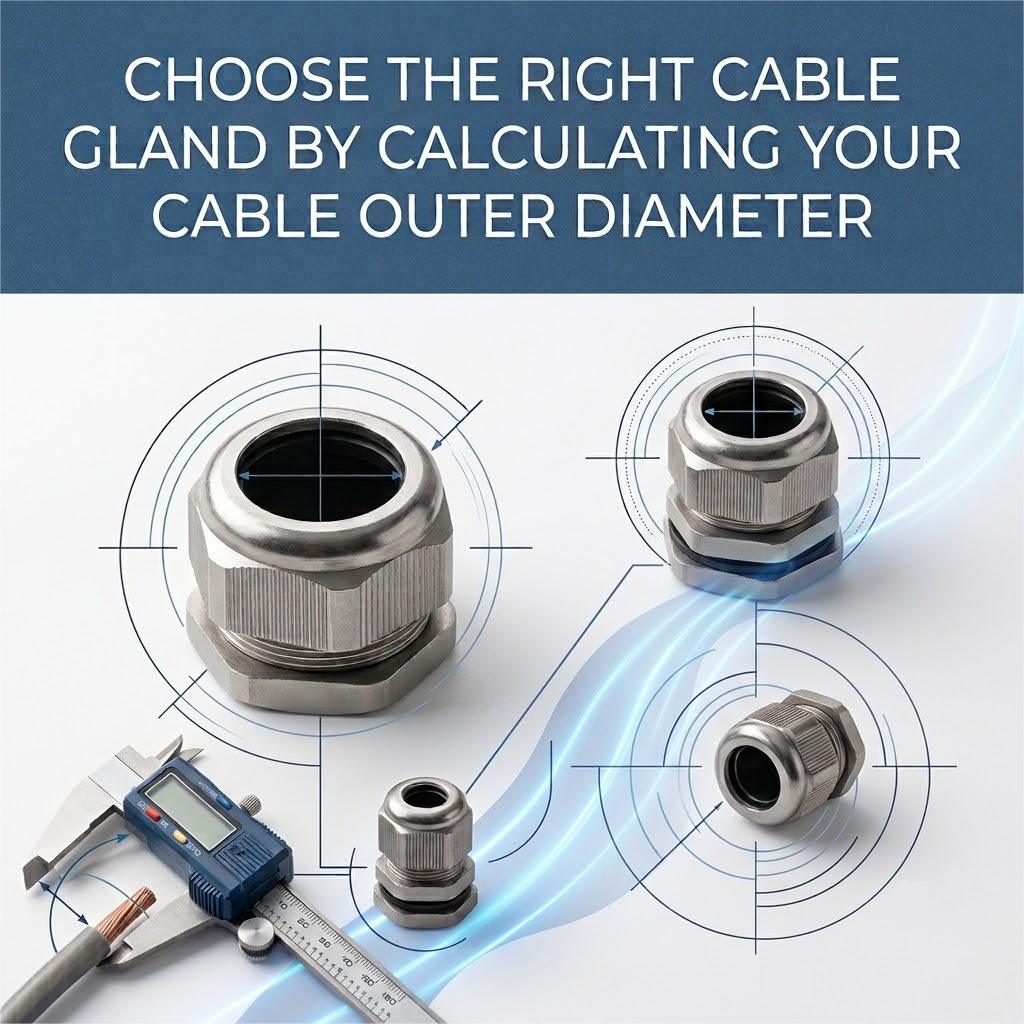
Measure the outer diameter of your cable or bundle, then match it to the clamp’s rated diameter range on the product spec sheet.
Many nylon cable clamps are UV-stabilized for outdoor use, but you should confirm the material rating before installing in direct sunlight or harsh weather.
Metal or heat-stabilized nylon cable clamps typically outperform standard cable ties in high-temperature applications.
Reusable cable ties usually cost slightly more per unit, but can lower your total spend if you frequently reopen and reroute cable bundles.
In certain industrial and commercial settings, local electrical codes may require a fixed mounting method like a clamp rather than a tie. Check your local regulations before installation.
Use a clamp with a flexible or cushioned base, and ensure the mounting screw is anchored into a stable point to prevent shifting.
Yes, many businesses use ties for internal bundling and clamps for securing the main cable run to a structure—this combination is common in industrial wiring.
Choosing between cable ties vs cable clamps comes down to your specific application: speed and cost favor ties, while durability and reusability favor clamps. Whichever your business needs, sourcing quality wire fasteners from a reliable manufacturer keeps your projects running safely and efficiently.
Ready to source the right fastener for your business? BOESE manufactures both nylon cable ties and industrial cable clamps to spec.

Modern enterprise integrating R&D, production, sales and service
Privacy Policy | Sitemap
Copyright BOESE Co.,Ltd SUPPORT BY :JUNJ
 Optimized by Seraphinite Accelerator