- WhatsApp: 8613777772066
- Email: [email protected]


Loose industrial wires dragging across heavy factory machinery frames quickly turn into a production nightmare. Continuous mechanical vibration wears down insulation jackets, sparking costly short circuits and sudden line shutdowns. Utilizing rugged cable clamps solves this issue entirely. This practical commercial field guide breaks down the best fastening hardware and detailed installation practices to keep your facility infrastructure safe, tight, and completely secure.

An industrial cable clamp is a rugged mechanical fastening device consisting of a curved metallic or polymer band designed to anchor, support, and route electrical cables, hydraulic hoses, and conduits firmly to structural chassis plates, preventing wire strain and friction wear.
The Baseline Mechanical Function: Moving past a basic cable clamps definition, these small components act as the primary load-bearers for the wiring infrastructure on your shop floor. They grip the exterior of wire bundles to prevent sagging under heavy gravity loads.
Preventing Terminal Stress: In busy factories, heavy equipment shakes and shifts continuously. Clamping loops absorb these violent physical vibrations, transferring the pulling stress away from delicate terminal terminations and dumping it safely into the rigid steel machine frame.
The Basic Hardware Anatomy: A standard commercial clamp consists of a curved wrapping band, a smooth interior path to slide cables through, and a dedicated mounting eyelet designed to receive a heavy structural framing screw or bolt.
Sourcing the wrong fastener style can cause massive installation bottlenecks during a factory upgrade. Your purchasing managers must choose the right loop geometry to match the physical demands of the workspace.

For clean, fixed-diameter routing setups, picking a dedicated R type cable clamp remains the most popular decision on the market.
The One-Piece Loop Design: The hardware is formed from a single continuous piece of material that curves back on itself. When closed over a wire harness, it forms a perfect circle with two matching mounting eyelets stacked together at the top.
Fast, One-Screw Mounting: Your technicians only need to drive a single screw through those overlapping eyelets to close the loop tightly around the cable bundle and anchor it to the wall at the exact same time.
Tough Material Options: You can buy lightweight, flame-retardant Nylon 66 versions for electrical boxes, or pick heavy stainless steel loops lined with thick chloroprene rubber cushions to handle high-friction hydraulic hoses.

If your technicians deal with changing bundle widths or constant field retrofits, forcing a fixed-size loop onto the wire harness will slow down assembly times.
Handling Variable Diameters: An adjustable cable clamp features an clever interlocking ladder tracking design or multi-position ratcheting teeth inside the polymer band.
Modifications Without Tooling Hassles: Your maintenance teams can easily release the internal plastic lock, add or remove a new power line from the bundle, and click the clamp shut again without unscrewing the base from the machine wall.
Slashing Total Inventory SKUs: Carrying multi-size adjustable models allows your warehouse to store fewer unique parts on the shelves while still covering a massive range of wiring dimensions.
Beyond standard loops, special industrial environments require different structural anchoring geometries.
Heavy Industrial P-Clamps: These look similar to R-clips but feature an extended, offset mounting foot. This extra metal tab gives your wires more physical clearance away from hot engine blocks or moving pulleys.
Heavy-Duty Conduit Saddles: These rigid, two-piece metal straps are engineered to bolt down wide steel piping or massive multi-conductor power mains directly onto factory ceilings and exposed structural iron beams.
Tactical Selection Sheet: Matching Cable Clamp Profiles to Factory Floor Demands
| Clamp Classification | Core Structural Material | Adjustment Type | Primary Industrial Target |
| Nylon R-Type | Flame-Retardant Nylon 66 | Fixed Diameter Loop | Lightweight control panel wire routing, server racks |
| Cushioned Metal R-Type | EPDM-Lined Stainless Steel | Fixed Rigid Loop | High-vibration vehicle chassis, hydraulic fluid lines |
| Ladder Adjustable | High-Impact Polyethylene | Variable Multi-Position | Prototyping spaces, expanding data networks |
| Rigid Steel Strut Clamp | Hot-Dip Galvanized Iron | Two-Piece Bolt Closure | Heavy electrical conduit piping, overhead factory busways |
Buying high-grade cable clamps is only half the battle. Your field crews must execute clean installation habits to guarantee long-term reliability and code compliance.
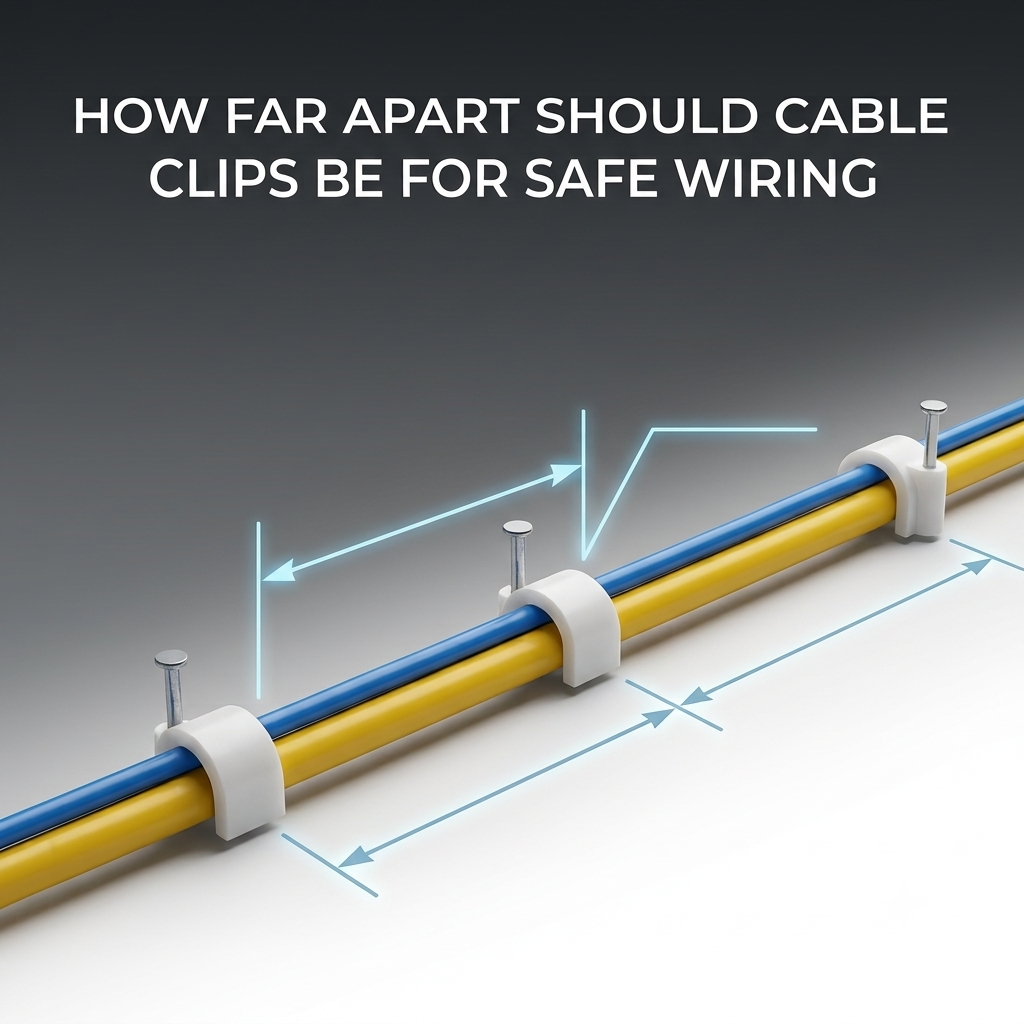
Calculating Optimal Pitch Spacing: Space your clips every 12 to 18 inches along the framework. Leaving too much gap causes the cable to sag, while placing them too close together wastes valuable labor hours and hardware budget.
Respecting the Minimum Bend Radius: Never force a heavy data or power cable into a sharp, tight 90-degree corner right at the clamping point. Doing so pinches the wire core, which quickly breaks down the internal insulation layers.
Calibrating Screw Torque: Tighten the mounting screws firmly so the clamp band cannot twist. However, do not over-torque the hardware, or you will crush the plastic loop or bite directly into the wire jackets beneath.
To achieve uniform results across your entire workforce, train your field installation staff to implement these 4 simple steps:
Step 1: Straighten and Align: Straighten out all the conductors in the run. Lay them completely parallel to each other to avoid hidden internal wire twisting inside the main bundle path.
Step 2: Measure the Outer Diameter: Use a simple caliper to check the true thickness of your wire bundle. Match that size exactly to the internal diameter rating of your rigid loop fastener.
Step 3: Secure the Base Anchor: Drill and tap your mounting holes directly into the sheet metal plate or framework where you need the wires to run.
Step 4: Lock the Loop: Wrap the clamping band over the harness, pull the mounting eyelets together over the tapped hole, and drive home the final structural locking screw.
When wire runs leave the wide shop floor and cross into high-voltage metal enclosures, containment and grounding safety rules change instantly.
The Junction Box Entry Threat: Forcing a bare wire through a sharp, punched steel opening is a major electrical hazard. International electrical codes strictly mandate using specialized cable clamps for electrical box entryways.
Stopping Laceration Disasters: Stamped steel knockout edges act like tiny razor blades. Enclosure clamps grip the wire sleeve firmly at the entrance, keeping the cable completely steady so it cannot rub against the sharp metal edge during operation.
Integrated Strain Relief Locknuts: These heavy-duty box fittings feature external threaded collars. Once you slide the wire inside, spinning a matching metal locknut pulls the internal teeth tight against the cable sleeve, locking it permanently to the box wall.
What is the main structural difference between an R type cable clamp and a standard P clamp?
R-clamps mount directly inline with the wire loop, while P-clamps feature an extended offset tail for extra wall clearance.
Why do heavy automotive manufacturers choose rubber-cushioned metal loops over raw steel bands?
The inner EPDM rubber lining absorbs intense engine vibrations, stopping the hard steel band from sawing into wire insulation.
Can a standard adjustable cable clamp be opened and reused during routine machine rewiring?
Yes, ratcheting polymer models let technicians unlock the ladder teeth repeatedly to add or pull wires without unscrewing the base.
How do cable clamps for electrical box entries help preserve safety grounding pathways?
Heavy metal box clamps bite directly into the metal enclosure wall, maintaining a continuous, safe bond to the earth ground.
What is the fastest cable clamp installation method for high-volume control panel building?
Using pre-assembled snap-in push mount clips speeds up production lines drastically compared to traditional threaded screw-down hardware.
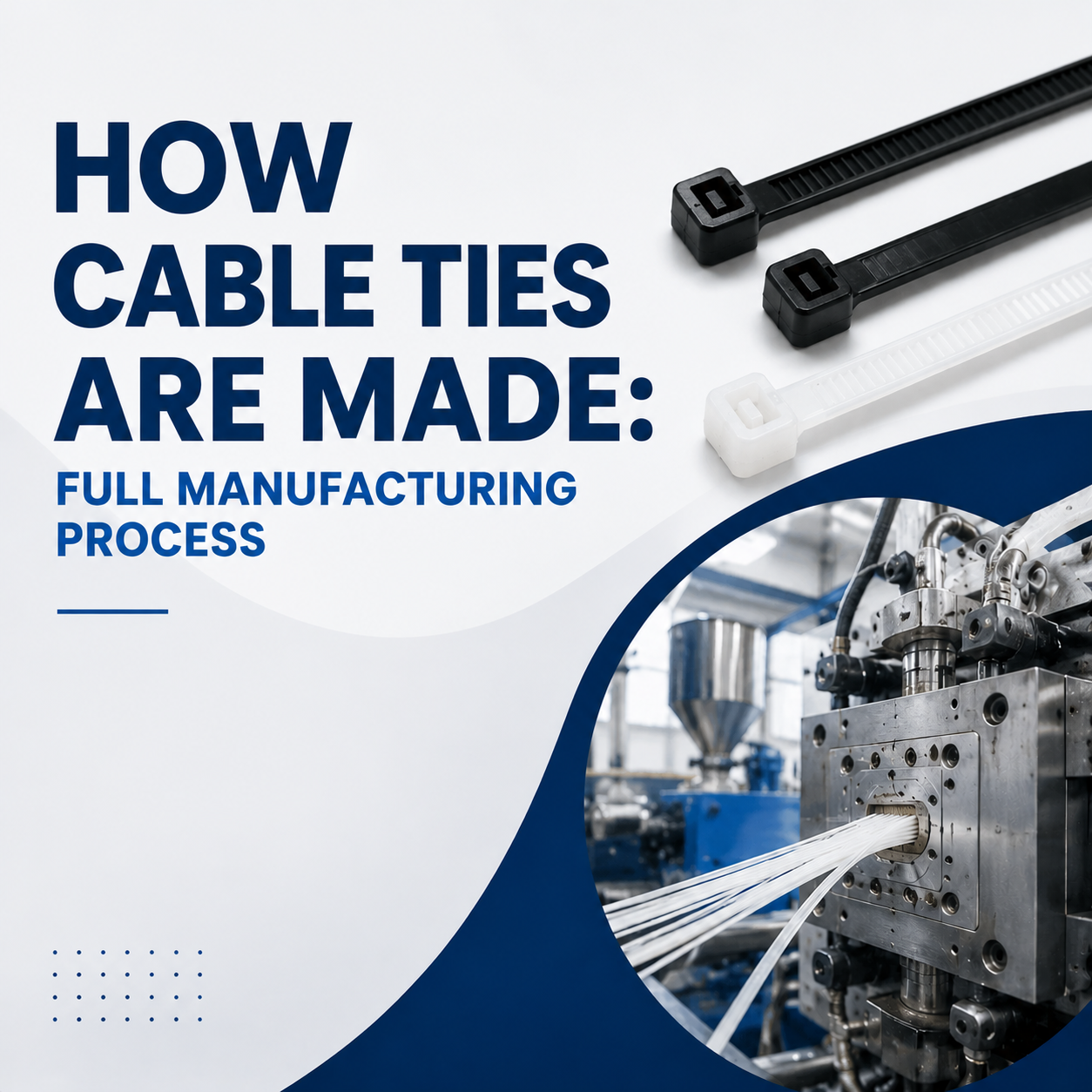
Can I use standard nylon zip ties instead of mechanical loop clamps on heavy machinery lines?
Zip ties bundle wires together cleanly, but they lack the heavy screw-down metal backing needed to support thick, heavy-duty industrial cables.
Will flame-retardant Nylon 66 cable clamps crack when installed in freezing outdoor environments?
Standard nylon can get brittle in extreme sub-zero cold; specify weather-stabilized black nylon or rubber-lined stainless steel for outdoor spaces.
Selecting the proper loop geometry, material ratings, and installation spacing keeps your factory wiring safe from friction damage and sudden shorts. For lighter wires where full wrapping loops are not required, reviewing a professional cable clips types and installation guide will round out your facility knowledge. Contact the BOESE team today to secure factory-direct wholesale pricing on bulk fastener orders!

Modern enterprise integrating R&D, production, sales and service
Privacy Policy | Sitemap
Copyright BOESE Co.,Ltd SUPPORT BY :JUNJ
 Optimized by Seraphinite Accelerator